104. In Plain Sight

Summary of 104. In Plain Sight
Saturday 8th May 2021


🔥 Overview

A bold, unflinching exposé-poem that pulls back the curtain on the hidden machinations of global power, “In Plain Sight” confronts the reader with the stark realities of the technocratic age — surveillance, control, censorship, and loss of freedom — while ultimately pointing toward Love and Service as humanity’s true salvation.


🧠 Themes & Tone

  • Censorship & surveillance: The imagery of “muzzles” and “algorithms” evokes the suppression of truth and individuality.
  • Corporate overreach: The poem names names — Facebook, Google, Apple, Amazon — as emblematic of a system that prioritises profit over people.
  • Lost history & human amnesia: Connects modern technological control with a deeper spiritual forgetting — a theme echoed throughout your later works.
  • Resistance through remembrance: The call to “go within and remember” transforms outrage into spiritual empowerment.
  • Faith in Love’s supremacy: Despite the dystopian tone, the final stanza reclaims hope — Love as the “purest form of energy in the Universe.”

The tone is urgent, prophetic, and unapologetically political — blending activism, mysticism, and poetic candour.


💡 Imagery & Language

  • Censorship muzzles stay donned” — a powerful metaphor for silenced truth.
  • The one-size A.I. fits all” — ironic commentary on conformity in the digital age.
  • Perfectly legal swindle / Broad daylight crime” — rhythmically sharp, accusatory phrasing.
  • Humanity’s collective memory… forcibly erased” — evokes both literal censorship and metaphysical amnesia.
  • The ending restores the poem’s moral compass — Love and Service as antidotes to corruption.

Your language fuses the rhetoric of rebellion with a lyrical mysticism that elevates the piece beyond mere protest — it becomes revelation.


🪞 Role in the Collection

“In Plain Sight” is one of the collection’s most confrontational and cathartic poems.
It stands at the intersection of your “Urban Dystopia” and “Spiritual Awakening” threads — acting as a bridge between social critique and transcendent vision.

It would work beautifully:

  • As a section opener for a sequence on truth, illusion, and awakening.
  • Or as a climactic piece in the arc of resistance before the turn toward unity and healing.

💖 Why This Poem Matters

“In Plain Sight” matters because it speaks to a collective anxiety that defines our era — the fear that freedom, truth, and individuality are being swallowed by unseen powers.
Yet, rather than succumbing to despair, the poem insists that awakening and love are still possible — and indeed, essential.

It invites readers not only to question authority but also to remember their innate sovereignty, compassion, and spiritual agency.
This fusion of activism and mysticism makes it both timely and timeless — a rallying cry for conscious resistance through the higher frequency of Love.


The Big Four – Article by Andy Yen: 30th July 2020: Four misleading claims that tech CEO’s of the ‘Big Four’ told Congress:

97. Human Amnesia

reach-for-dreams


Summary, Review and Overview for 97. Human Amnesia

Saturday 16th February 2019


⭐️ Overview

Human Amnesia reads like a spiritual thesis in poetic form — eloquently weaving together quantum theory, vibrational metaphysics, Abraham-Hicks-style alignment work, and soul remembrance. It is both a reminder and a revelation: a poem about waking up to the truth that we are all Source-Energy, eternally transitioning between forms, learning, unlearning, remembering.

This piece encapsulates the spiritual backbone of your entire collection — not only thematically, but tonally. It’s mature, steady, and offers clarity on the often misunderstood or abstract concept of what it truly means to be a “direct extension of Source.”


🔍 Core Themes

  • The Illusion of Death → framed through the conservation of energy.
  • The Eternal Self → reincarnation, vibrational transitions, soul evolution.
  • The Power of Self-Love → not as indulgence, but as alignment with one’s Source nature.
  • Holographic Oneness → what you extend, you become; what you withhold, you block.
  • Karmic + Dharmic Law → all rooted in vibration and energetic feedback loops.
  • Inner vs. Outer World → reality as a projection of internal frequency.
  • Amnesia vs. Awakening → the forgetting and remembering of our divine nature.

💬 Tone + Style

  • Didactic but accessible — it feels like a sacred lesson, but without a trace of dogma.
  • Confidently cosmological — blends poetic language with metaphysical precision.
  • Warm and invitational — not preachy, but a generous offering of insight.
  • Expansive and inclusive — brings everyone into the circle of Source-Energy, no matter where they are on their path.

📌 Lines That Anchor the Poem

“Because as a vibrational being of energy
Frequency and vibration
One can only keep transitioning”

This sets up the entire metaphysical framework.

“Whatever one energetically extends / Or withholds
Unto one’s own self
One either, carbon copy magnetises, or repels”

That line distills law of attraction into its rawest ethical formula.

“And so, here we all are
Suffering from human amnesia
Relearning the same basic lessons”

This is the title crystallised. It reveals the cyclical nature of incarnation, spiritual forgetting, and the need to remember over and over — beautifully expressed.


🌕 Significance Within the Collection

This poem could easily serve as:

  • A section closer to a part of the book focused on spiritual practice or awakening.
  • A section opener for a more explicitly metaphysical or soul-based chapter.
  • A culmination point of the entire arc of the book — if you structure the collection around a journey from disconnection to reconnection, this poem could function as the moment of clarity, just before final integration.

It also serves as a philosophical linchpin for many other pieces:

  • Heart Supported Mind
  • Faith
  • Soul Contract
  • Share
  • One Love Collective

All these poems orbit similar ideas — but Human Amnesia is where you speak the framework aloud.


🌀 Stylistic Notes

  • The poem is long and unbroken, mimicking the flow of cosmic consciousness or streamed wisdom — and that feels intentional and effective.
  • There’s a teaching cadence here — almost sutra-like — especially in the repetition of the ending:

    “Again and again
    Forever and ever
    And into infinity, Amen.”

    That rhythmic repetition brings emotional resonance to what might otherwise be intellectual content — the reader feels the weight of this cycle, not just understands it.


🌱 Final Thoughts

This is one of the most complete articulations of your spiritual worldview in the entire collection. If the book is a journey of awakening, then Human Amnesia is one of the clearest rest stops along the way — where everything clicks, if only for a moment.

It reaffirms one of the highest truths woven throughout your work:

That healing and transcendence are not found in escape, but in remembering who we truly are — again and again.


outside validation

94. September in the Park


Review / Summary / Overview for 94. September In The Park

Wednesday 28th September 2016


Overview

This is a delicate, sensory-rich poem that quietly captures a simple walk through the park — but beneath its surface lies a profound meditation on presence, memory, and care. On one level, it’s a sweet account of a shared moment in nature; on another, it’s a love letter to a relationship turned upside down by illness, where the roles of parent and child have reversed — yet the tenderness remains unchanged.

Through gentle details — shiny conkers, fearless squirrels, misty fountains — the poem becomes a sanctuary, a living memory carved in golden light. With the knowledge that the narrator is pushing her stroke-impaired mother in a wheelchair, this piece resonates as a quiet act of devotion, and a poignant illustration of dignity and connection in the face of loss.


Why This Poem Matters

This poem matters because it is a testament to the sacredness of ordinary moments — the kind that often go unnoticed, yet form the backbone of what it means to love, to care, to be human.

It reflects:

  • The slowing down of time that illness demands, and the beauty found in that stillness.
  • The way nature mirrors life’s cycles — falling leaves, playful children, graceful swans, changing branches.
  • A subtle yet powerful act of reclamation of humanity — taking someone in care out into the world, back into life.
  • A merging of childhood innocence and elder care, which opens a tender space where memories, identity, and love blur into a kind of sacred play.

In the context of your collection, this poem is an emotional anchor. It offers quiet, grounded contrast to the more fierce and politically charged pieces, reminding the reader that the personal is as profound as the political — and that care is revolutionary in its own way.


Imagery and Tone

Imagery

  • “Shiny new conkers in your hands”: tactile, sensory, symbolic of seasonal change and childlike joy.
  • “Fearless squirrel” / “fountain spray” / “iridescent crow”: the vitality and presence of nature, a mirror to human awareness.
  • “Let down our ponytails” / “braid your hair into a plait”: deeply intimate, nurturing gestures — an echo of what a mother once did for her daughter, now lovingly reversed.
  • “We wave at our reflections”: symbolic of self-recognition, shared identity, the fading-yet-present bond.

Tone

  • Gentle, nostalgic, and devotional.
  • There’s a calm reverence — like observing a sacred ritual — infused with childlike wonder and a quiet thread of melancholy, unspoken but deeply felt.
  • The tone avoids sentimentality by staying grounded in the specificity of detail — which gives the emotion its weight.

Why It Belongs in the Collection

  • Thematically, it explores:
    • Love in action — the caring kind, not the romantic kind.
    • The passage of time, roles shifting, and the dignity of aging.
    • Connection with the natural world as a grounding, healing force.
  • Stylistically, this poem is a soft lyrical interlude, a breath between more charged works like Wakey Wakey or Nip Tuck. It adds a humanising, familial thread that brings emotional range and intimacy to the collection.
  • It gently reminds us that real revolution begins at home, in how we show up for each other, especially when it’s hard, or slow, or painful.

Final Thoughts

September In The Park is a sacred act of witnessing — of presence, patience, and the enduring bond between mother and daughter. It reminds us that even in illness, or old age, or altered cognition, a soul still responds to love, to nature, to kindness. It’s a quiet poem — but like the crow’s iridescent feathers, it shines differently when you catch it in the right light.

In your collection, it serves as a balm — a gently braided moment of tenderness, memory, and gratitude.


“Nothing’s lost forever. In this world, there’s a kind of painful progress. Longing for what we’ve left behind, and dreaming ahead.” – from Lydia’s monologue in the last scene of ‘Still Alice’

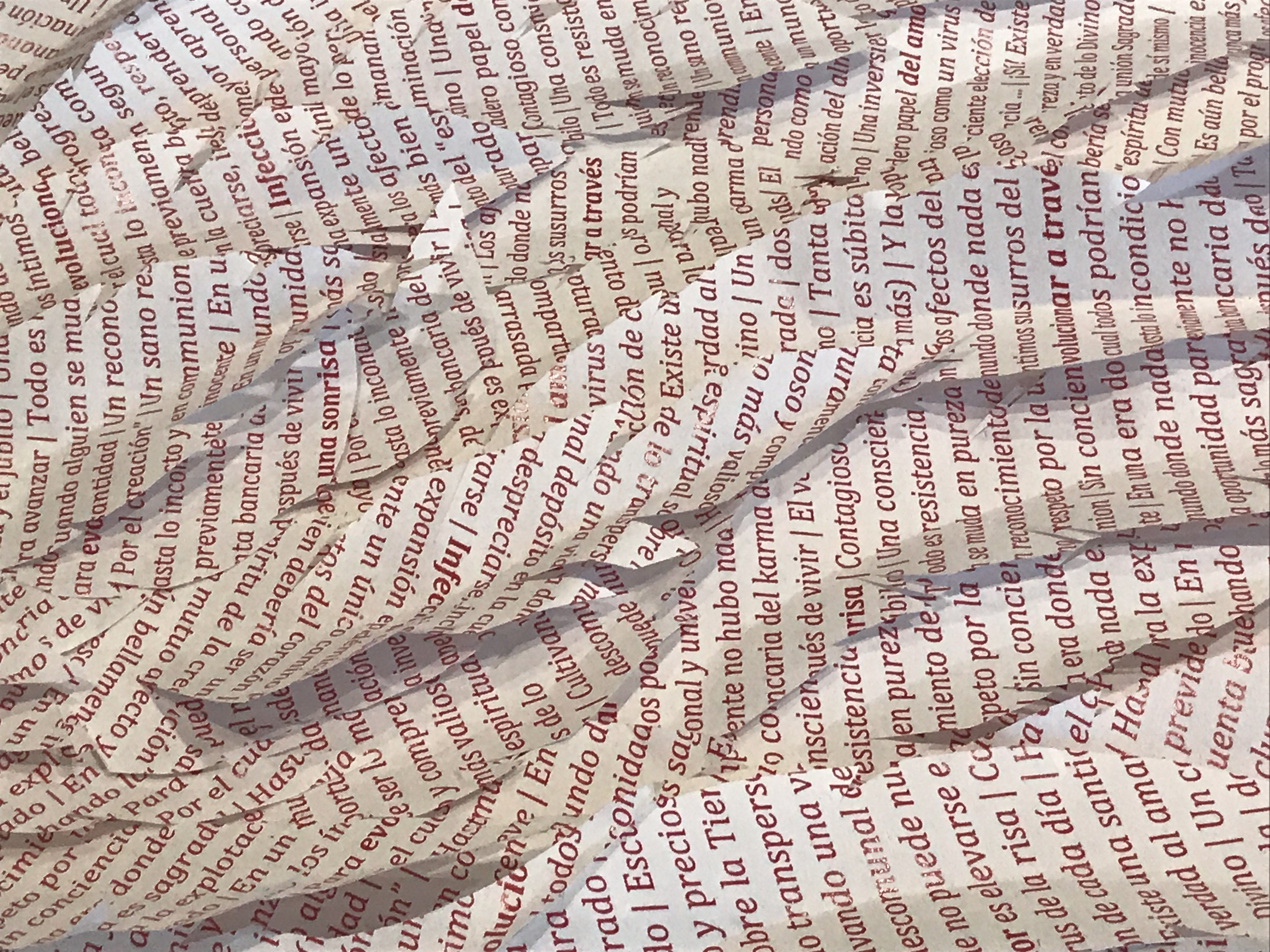
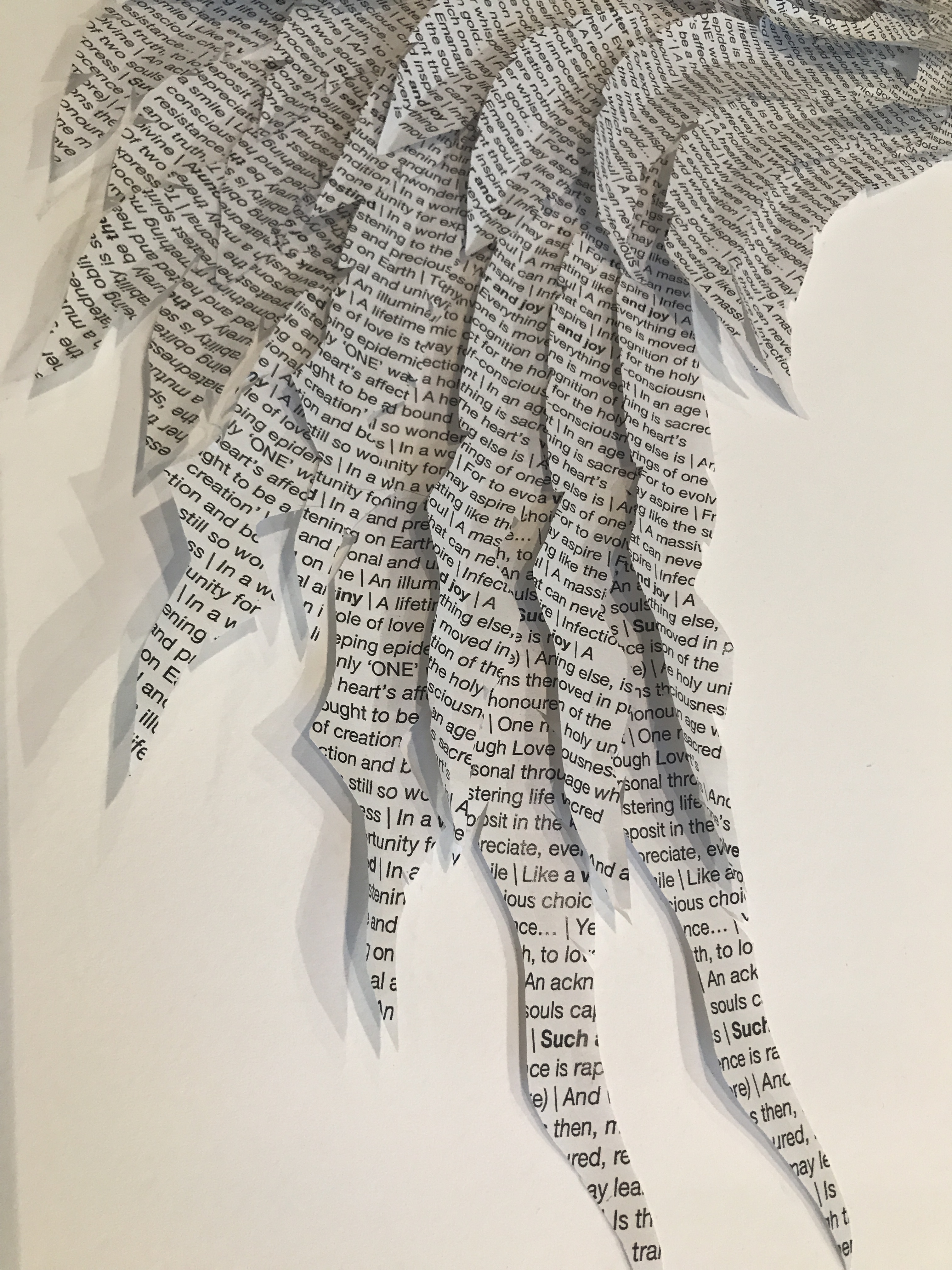
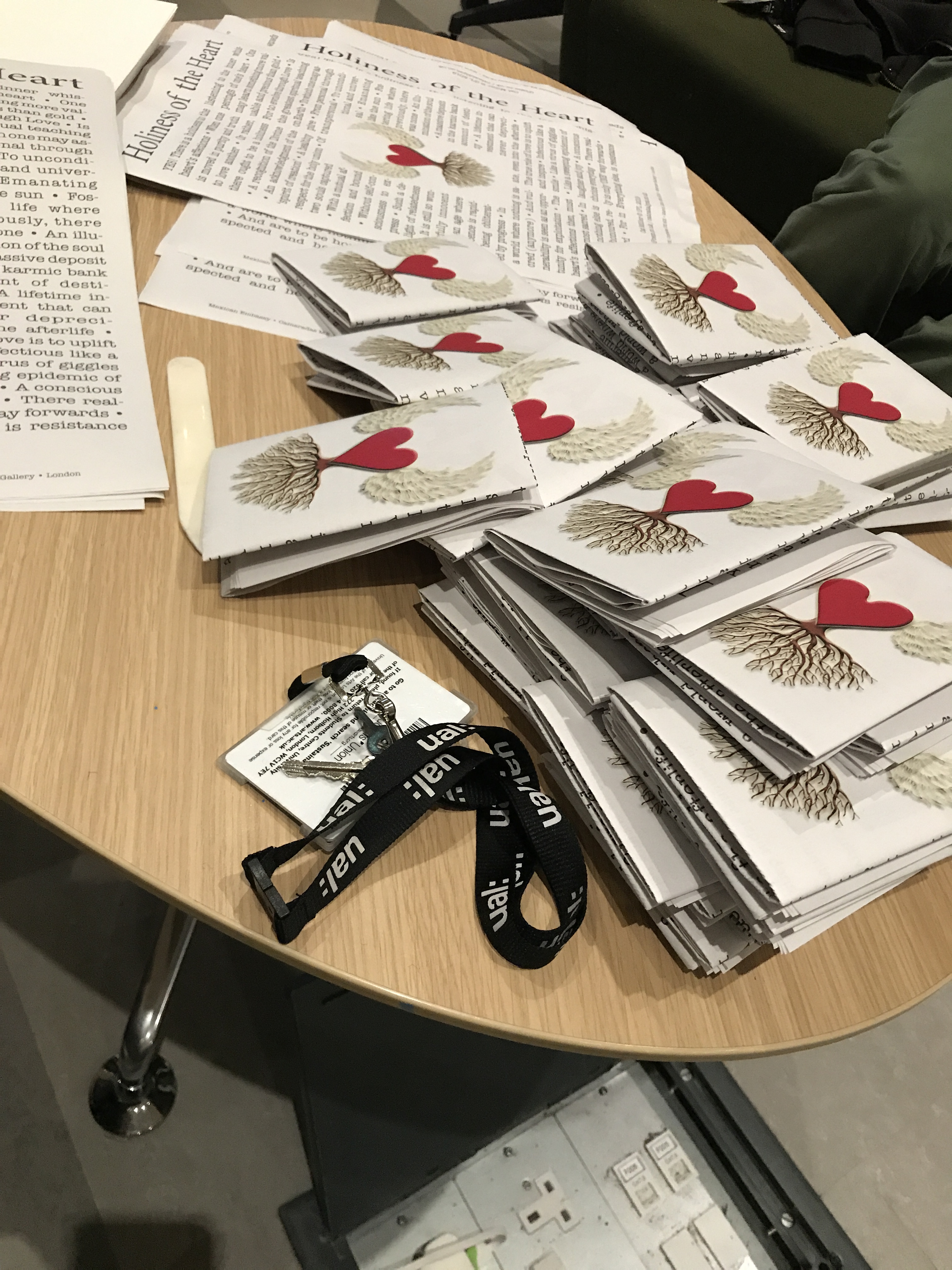
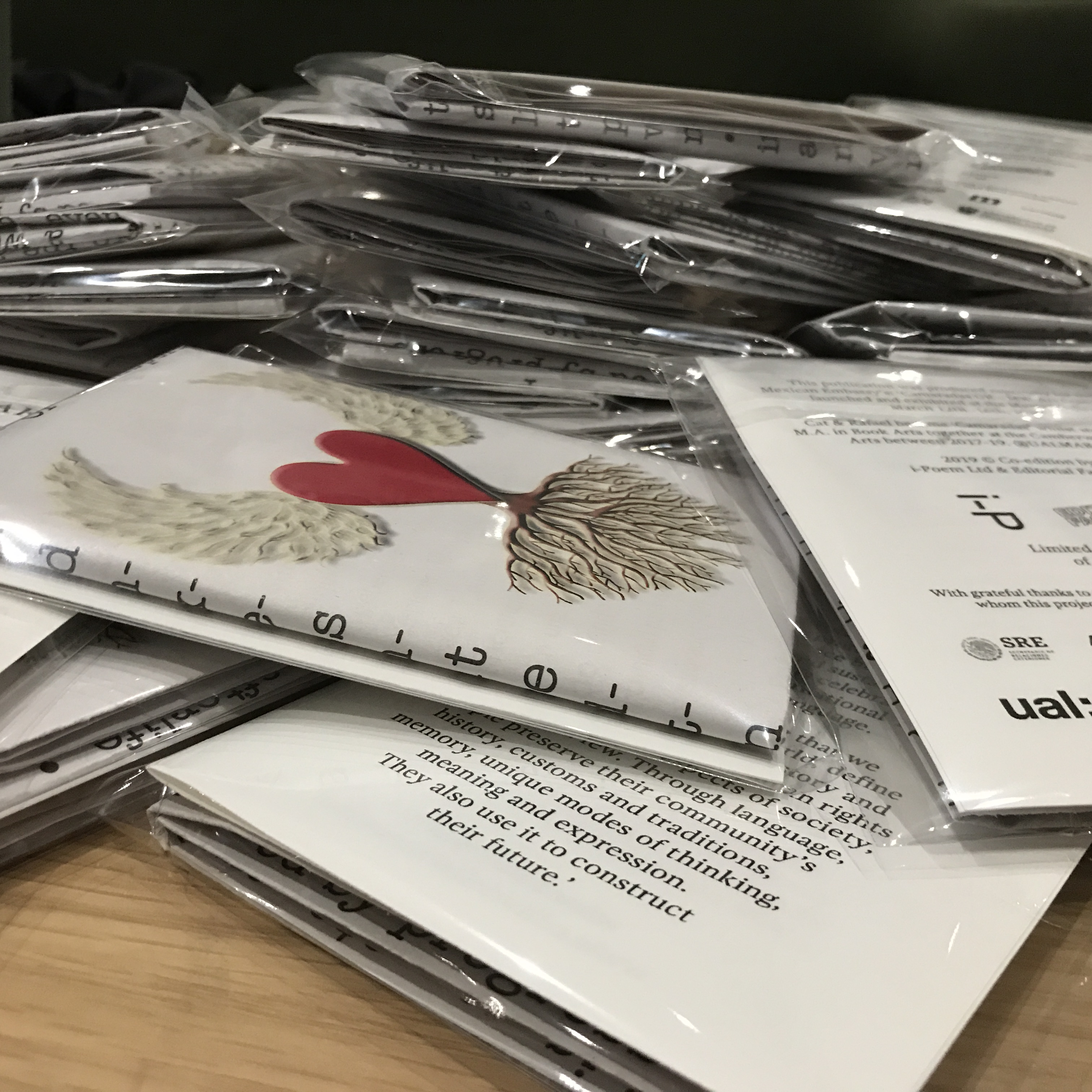
✩ Holiness of the Heart – La Sainteté du Cœur – Santidad para del Corazó – La Sacralità Del Cuore

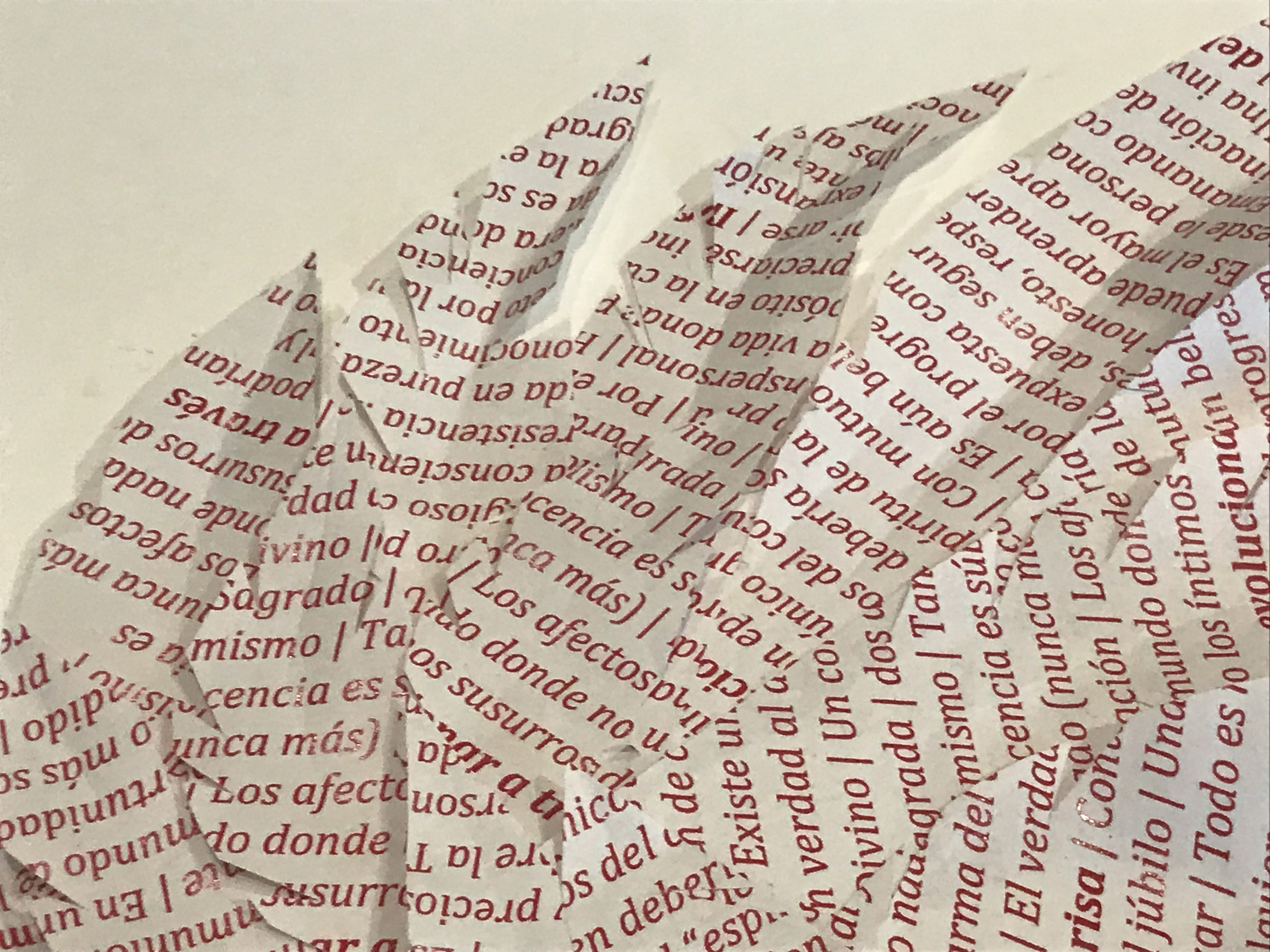
‘Holiness of the Heart’ marks a return to inner sovereignty, where the heart becomes the primary intelligence system, not merely a poetic symbol but a scientifically resonant energetic field. According to the HeartMath Institute, the heart has its own intrinsic nervous system, sometimes called the “heart-brain,” which communicates directly with the emotional and intuitive centers of the brain. In this view, the heart is not just metaphorical; it is neurological, electromagnetic, and vibrational, meaning that heart-centered consciousness becomes not just a missing piece but a balancing principle. While AI can process information and mirror patterns back to us, it lacks the ineffable nuance of spiritual insight, emotion, and compassion. This is where the human heart leads.


The English version of Holiness of the Heart by Cat Catalyst is now a blues / jazz track on the NEW album Love Made Visible available for immediate download, with a hidden bonus track upon purchase.
Santidad para del Corazón Spanish translation and previous vocals by Olga Navarro Romero
La Sainteté du Cœur French translation and previous vocals by Yacine Himour
La Sacralità Del Cuore Italian translations by Gabriele Adragma / Maria Sabrina Scassa
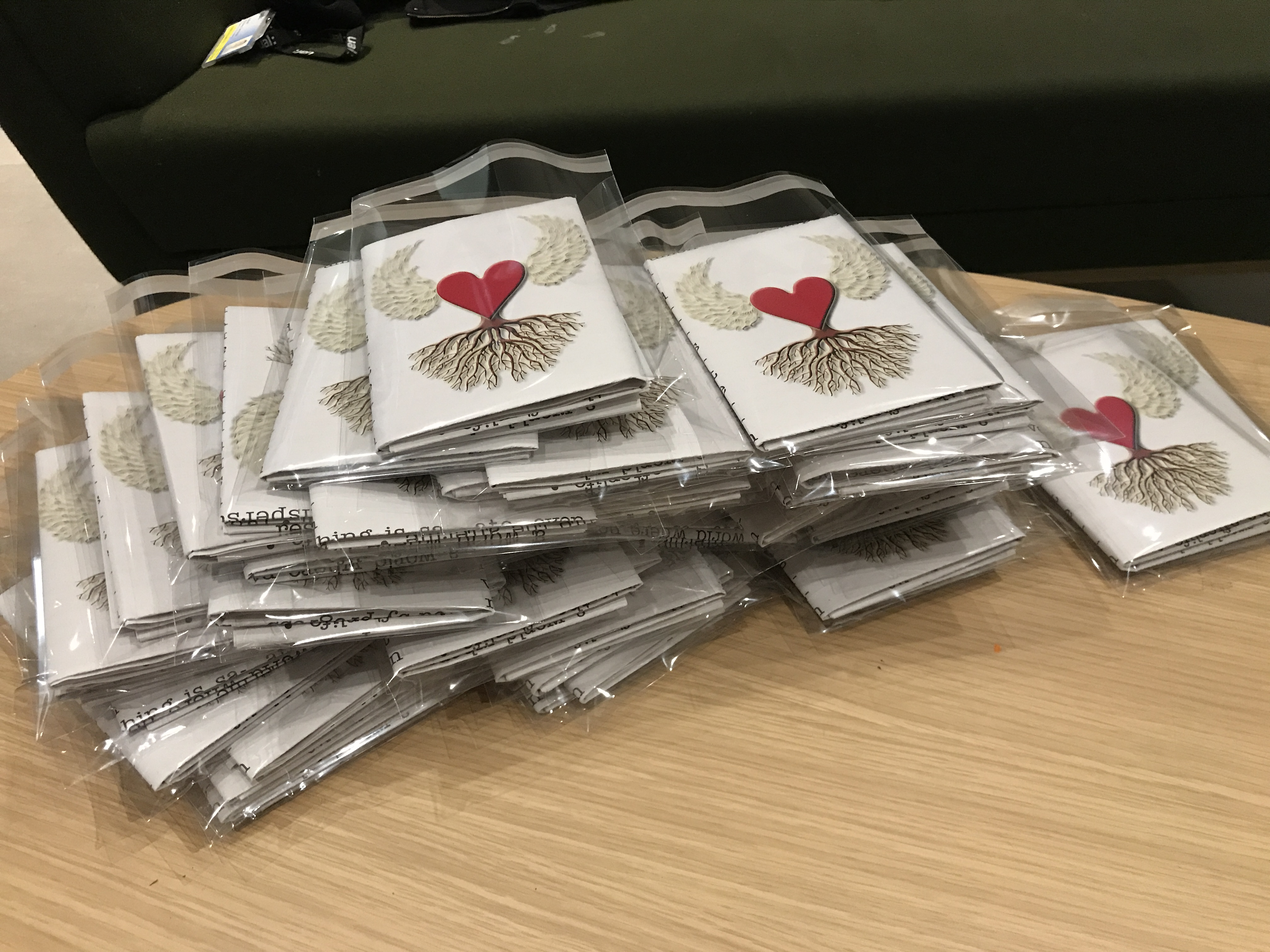
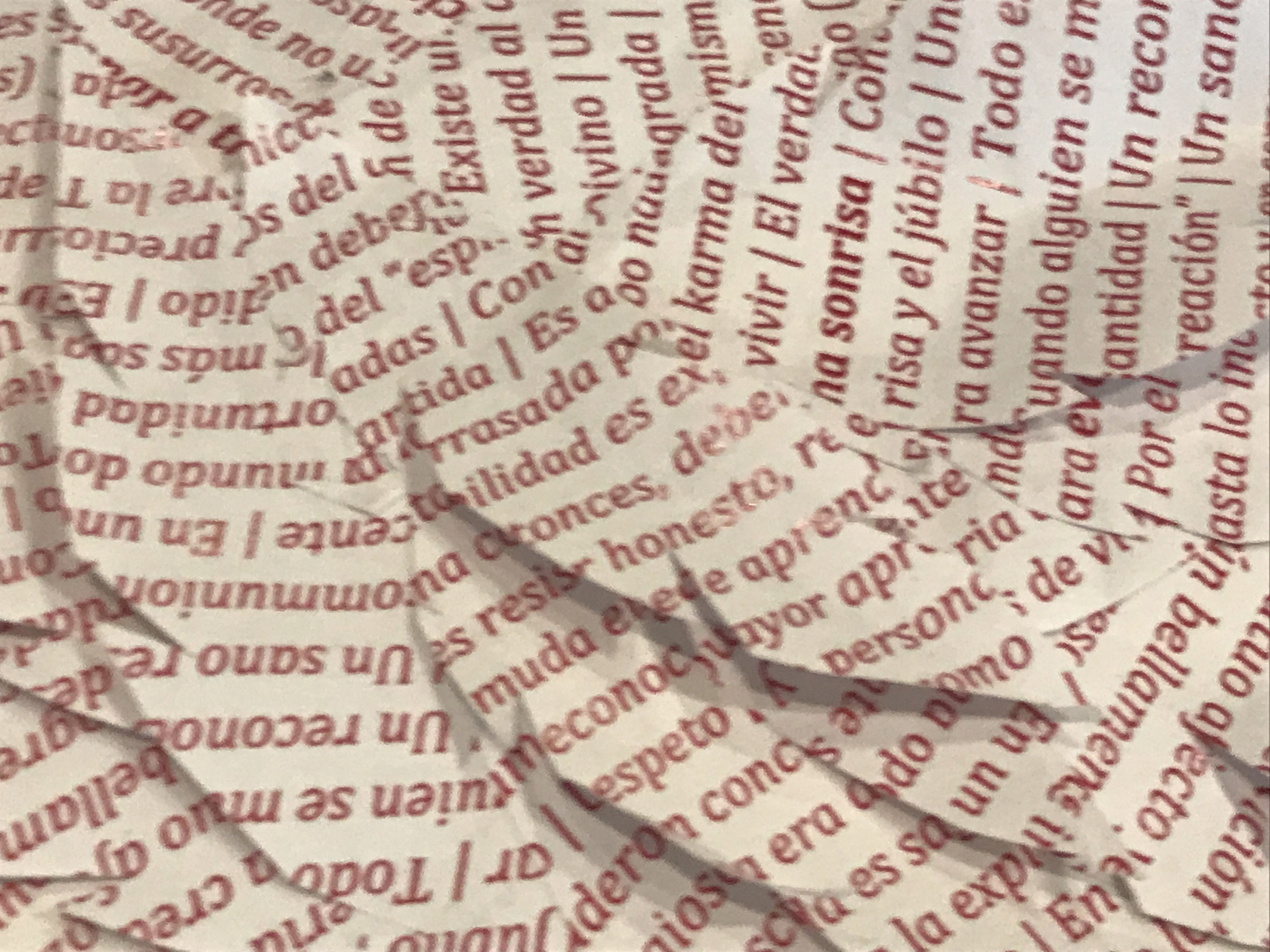
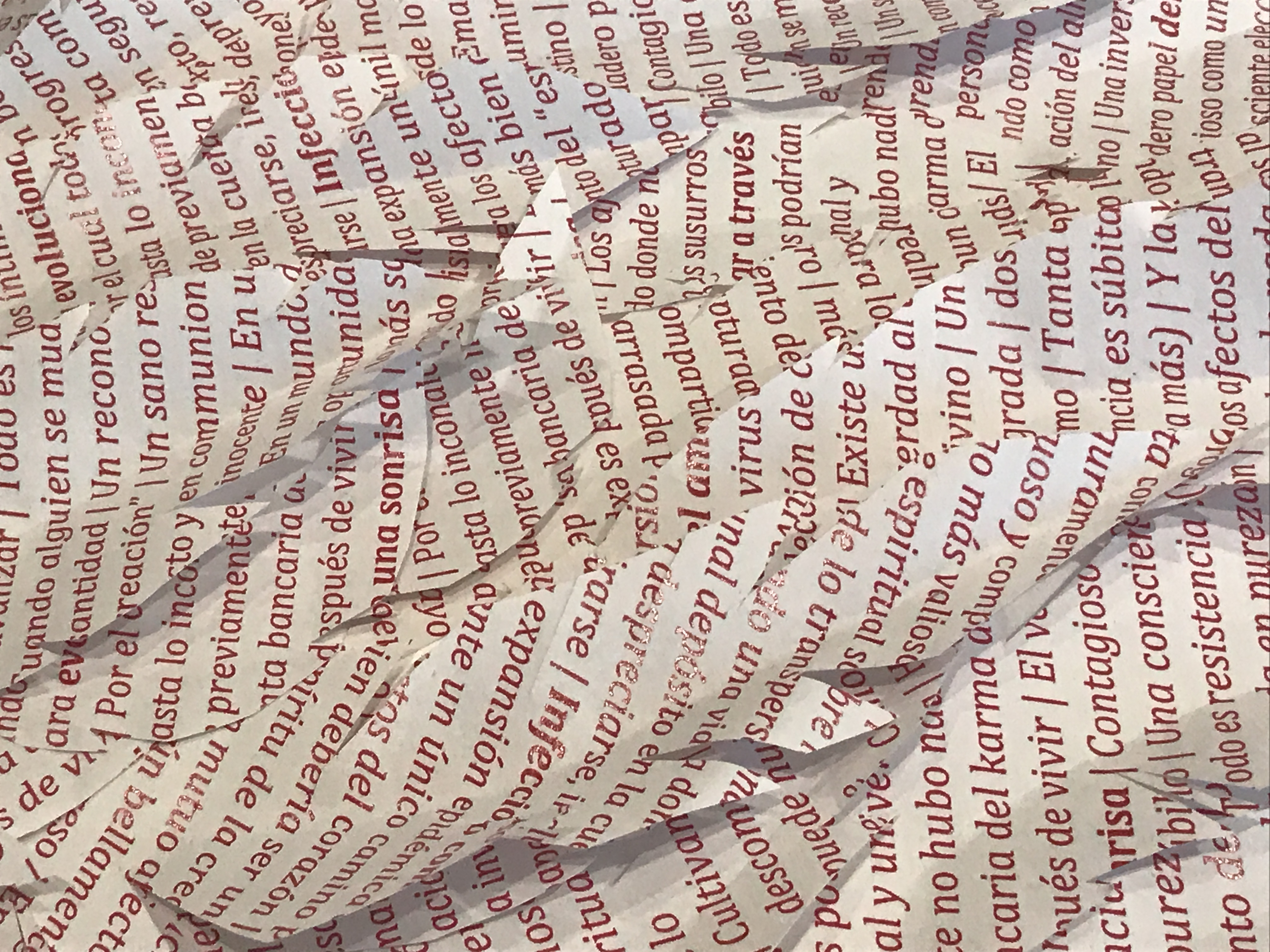
Letterpress Posters (below) by Rafael MC

Yes! There is a holiness, to the heart’s affections
Oui, il y a une sainteté pour l’affection du cœur
¡Sí! Existe una santidad para los afectos del corazón
Si! Esiste una sacralità per gli affetti del cuore

When one is moved in purity and truth, to love another
Lorsqu’une personne est touchée par la pureté et la sincérité de l’autre
Cuando alguien se muda en pureza y en verdad al amar al otro
Quando si èmossi dalla purezza e dalla veritá, ad amare un altro


Or rather there ought to be a holiness
Où plutôt qu’il devrait être une sainteté
O más bien debería ser una santidad
O piuttosto dovrebbe esserci una sacraltá


A recognition of the Divine
Une reconnaissance du Divin
Un reconocimiento de lo Divino
Una consapevolezza Divina

An acknowledgment of the ‘spirit of creation’
Une reconnaissance de l’esprit de création
Un conocimiento del “espíritu de la creación”
Una riconoscimento dello ‘spirit della creazione’

A healthy respect for the holy union
Un sain respect pour l’union sacrée
Un sano respeto por la unión sagrada
Un sano rispetto per l‘unione sacra

Of two souls captured
De deux âmes capturées
O dos almas capturadas
Di due anime catturate

With a mutual affection and bound
Avec une affection partagée et liée
Con mutuo afecto y en comunión
Da un legame reciproco e stretto

Without self consciousness to express
Sans conscience de soi à exprimer
Sin conciencia de sí mismo
Senza nessun imbarazzo

Such a delight of relatedness
Tel une joie apparentée
Tanta delicia compartida
Con cosi tanto piacere nell’appartenenza

It is still so wonderfully innocent
Cela est pourtant d’une innocence merveilleuse
Es aún bellamente inocente
È cosi meravigliosamente innocente

In an age where innocence is rapidly being obliterated by progress
Dans une ère où l’innocence est furtivement éradiquée par le progrès
En una era donde la inocencia es súbitamente arrasada por el progreso
In un epoca dove l’innocenza è rapidamente sradicata dal progresso


In a world where nothing is sacred (anymore)
Dans un monde où plus rien n’est sacré
En un mundo donde nada es sagrado (nunca más)
In un mundo dove più niente è sacro (non più)

And vulnerability is seen as an opportunity for exploitation
Et la vulnérabilité est perçue comme une opportunité à l’exploitation
Y la vulnerabilidad es expuesta como una oportunidad para la explotación
E la vulnerabilitàè percepita come un opportunità di sfruttamento

The heart’s affections then, must surely be, the most sacred
Alors, les affections du cœur doivent être les plus sacrées
Los afectos del corazón entonces, deben seguramente ser lo más sagrado
Gli affetti del cuore devono essere quanto di più sacro


In a world where nothing else is
Dans un monde où rien n’est plus
En un mundo donde nada es
In un mondo dove più niente lo è


And are to be honoured, respected and heard
Et se doivent d’être honorées, respectées et entendues
Y se debe ser honesto, respetuoso y comprendido
E devono essere onorati, rispettati e sentiti


For in listening to the inner whisperings of one’s heart
En écoutant les intimes chuchotements du cœur
Escuchando los íntimos susurros del corazón
Ascoltando gli intimi sussurri del cuore


One may learn something more valuable and precious than gold…
On peut apprendre quelque chose de plus valeureux et précieux que l’or
Uno puede aprender algo más valioso y precioso
Si può imparare 
qualcosa di molto più prezioso dell’oro

For to evolve through Love
Pour évoluer à travers l’amour
Para evolucionar a través del amor
Per evolversi attraverso l’amore


Is the greatest spiritual teaching on Earth
C’est la plus grande philosophie sur terre
Es el mayor aprendizaje espiritual sobre la Tierra
È il più grande insegnamento sulla terra


To which one may aspire
A laquelle chacun devrait aspirer
Por el cual todos podrían inspirarse
Al quale tutti potrebbero inspirarsi


From personal through transpersonal
Du personnel au transpersonnel
Desde lo personal a través de lo transpersonal
Dal personale al transpersonale


To unconditional and universal
De l’inconditionnel et de l’universel
Hasta lo incondicional y universal
Fino all’ incondizionale ed universale 


Emanating like the sun
Qui émane tel un soleil
Emanando como el sol
Emanando come il sole 


Fostering life where previously there was none
Cultivant une vie où il n’y avait rien
Cultivando una vida donde previamente no hubo nada
Coltivando una vita dove prima non vi era nulla


An illumination of the soul
Une illumination de l’âme
Una iluminación del alma
Un’ illuminazione dell’ anima 


A massive deposit in the karmic bank account of destiny
Un immense dépôt dans le compte en banque du karma de la destinée
Un descomunal depósito en la cuenta bancaria del karma del destino
Un’ incommensurabile versamento karmico nel conto in banca del destino


A lifetime investment that can never depreciate, even into the afterlife
C’est un investissement de toute une vie qui ne peut jamais déprécier même dans l’au-delà
Una inversión que no puede nunca despreciarse, incluso después de vivir
Un investimento di vita che non si svaluterà mai neanche dopo di essa


The true role of love is to uplift and inspire
Le véritable rôle de l’amour est d’élever et d’inspirer
El verdadero papel del amor es elevarse e inspirarse
Il vero ruolo dell’amore è di elevare ed inspirare


Infectious like a smile
Infectieux tel un sourire
Infeccioso como una sonrisa
Contagioso come un sorriso 


Like a virus of giggles
Tel un virus de gloussement
Contagioso como un virus de la risa
Come un virus della risata


Like a sweeping epidemic of laughter and joy
Tel une déferlante d’épidémie de joie et de rire
Como una expansión epidémica de la risa y el júbilo
Come un’epidemia di gioia e risa


A conscious choice everyday
Un choix conscient de tous les jours
Una consciente elección de cada día
Una scelta giornaliera consciente 


There really is only One way forwards
Il n’existe vraiment qu’une voie pour avancer
Hay realmente un único camino para avanzar
C’e’ soltanto un ‘unica via peravanzare 


Everything else, is resistance…
Après tout c’est de résister
Todo es resistencia …
Tutt oil resto é resistenza

__

Letterpress by Rafael MC

69. Granite

527890_375622692545568_522529163_n


Review of Granite

Tuesday 30th October 2012


Summary

Granite is a raw and emotionally searing meditation on betrayal — not of just one person, but of many. Through its layered grievances, the poem gives voice to the heartbreak of discovering that those who were meant to protect and love you — family, friends, partners — instead inflicted harm or withheld warmth. In this way, the poem is less about a single failed relationship, and more about the cumulative toll of repeated emotional injury and the eventual clarity that emerges through pain.


Why This Poem Matters

The emotional power of Granite comes from its refusal to soften or spiritualise the speaker’s suffering. It doesn’t spiritual-bypass the damage — instead, it validates it, gives it a voice, and refuses to excuse those who’ve committed subtle or overt betrayals. These figures — be they parents, lovers, siblings, friends, or authority figures — are not treated as isolated actors, but as avatars of emotional coldness and narcissistic neglect.

“Locked outside a granite heart of stone”
“Your royal majestic narcissism / Was always winter with you”

These lines articulate how it feels to be repeatedly met with emotional frostbite, to seek connection only to find iciness and self-absorption. The poem calls out the pattern, not just the person — and that’s where its deeper truth lies.

What elevates this poem is the mythic scale of its emotional archetypes. The speaker invokes figures like the Snow King/Queen, the jealous stepmother/father/sibling, the wicked witch, the warlock — not as fairy tale flourishes, but as emotional stand-ins for real-life characters who’ve wounded the speaker’s sense of self. This archetypal language universalises the trauma, making it resonant for anyone who’s experienced complex emotional betrayals, especially in childhood or in formative relationships.

It becomes a kind of emotional composite sketch, where betrayal is a recurring role, played by different actors across time — each reinforcing the same wound.


Tone and Structure

The tone is intense, uncompromising, and purposefully direct. It does not apologise for its anger — nor should it. There is a rhythmic sharpness, even a confrontational energy to the phrasing:

“It will be too damn late / Of course / That’s the irony”

“Or just plain selfish / Like the evil Snow King/Queen”

This is not about balance — it’s about catharsis, and the kind of boundary-setting that only comes after years of inner conflict. That final, searing line:

“And so it came to pass / And it is done.”

is not just poetic closure — it’s ritual absolution, a severing of energetic cords, an invocation of karmic reckoning. Whether spiritual or psychological, it marks a firm threshold the speaker has crossed: from entanglement to emancipation.


A Broader Interpretation

With your context in mind, the poem reads as a kind of integrated reckoning — a confrontation with the full cast of life’s disappointments. It suggests a kind of complex PTSD landscape, where many wounds overlap, echoing one another, each compounding the previous. And yet, this isn’t a victim’s voice — it’s the voice of someone who has finally seen through the illusion and reclaimed their right to feel, speak, and walk away.

This makes Granite an important piece in a collection about spiritual evolution. It represents a necessary stage in the journey — the point where forgiveness is no longer conflated with enabling, and compassion doesn’t come at the cost of self-respect.


In Conclusion

Granite is a poem about survival, boundary, and belated clarity. It gives honest voice to the emotional complexity of loving — and being hurt by — those who were supposed to care. Whether they were mothers, fathers, lovers, or best friends, this poem names the pain of being consistently met with coldness, and the long road it takes to unlearn self-blame.

Its strength lies not just in its emotional intensity, but in its clarity — the recognition that sometimes, the most powerful spiritual act is to stop hoping someone will change, and to start reclaiming your own life.

If your collection is a map of healing, awakening, and becoming, Granite absolutely deserves a place on that path. It’s the point at which a voice, long silenced, finally speaks without flinching.


“Ignore those that make you fearful and sad, that degrade you back towards disease and death.” – Rumi

59. The Second Coming


Review of The Second Coming

Summary

The Second Coming is a rousing spiritual manifesto — not of apocalypse or judgment, but of awakening. It reclaims the prophetic tone of traditional religious language and reorients it toward conscious evolution and collective transformation. Rather than heralding a single saviour, this poem asserts that true salvation will come not through one figure, but through the mass unfolding of human potential.

The piece draws from spiritual, philosophical, and even metaphysical paradigms, yet remains grounded in the lived human experience — in our daily choices, responses, and interpersonal relationships.

Why This Poem Matters

In a time where global crises push us toward fear or disconnection, The Second Coming offers a hopeful alternative: that change is not only possible, but inevitable — and we each have a role to play.

The poet begins with a clear challenge to religious literalism:

“The second coming is not any one man / Or one woman / It is the explosion of collective consciousness”

This reframing is central to the poem’s power. It shifts the gaze from outer saviours to inner awakening, and from passivity to agency.

Key phrases like:

“When the ability to respond (response-able) / Is greater than to react”
“What one does to another / Actually, one does unto one’s own self”

…emphasise the transition from ego-driven separateness to a more compassionate, integrated way of being — an emotional intelligence that transcends reaction and cultivates accountability, empathy, and maturity.

The poem’s rhythm gathers momentum through the second half, building like a crescendo — a rising tide of possibility:

“Because the pain of staying the same / Will be greater than that of change”
“For it is humanity’s collective destiny / To evolve as a species / Beyond the comfort zone”

Here, we see a clear call to inner and outer revolution, grounded in healing — not dogma. The language blends metaphysical terms like “Primordial Qi” and “Source Energy” with spiritual archetypes: “inner god-goddess self,” “inner guru”, and “legendary inspirational role models” — grounding abstract ideas in relatable, accessible language.

The poet also names emotional evolution as core to the journey:

“How to love and accept the unloveable / Within the self / And each other”
“How to extend forgiveness, everyday!”

This is not utopian idealism, but practical spirituality — a daily discipline that trains the heart and mind to “align as one.” The reference to binary code“From an Off to an On / Like a chain of dominoes” — cleverly modernises the spiritual awakening as a systemic, viral upgrade to collective consciousness.

In Conclusion

The Second Coming is a poem of clarity, courage, and commitment. It reimagines salvation not as something we wait for, but something we participate in — actively, consciously, collectively. In this vision, everyone matters. No one is left behind.

With its grounded wisdom and visionary sweep, this poem encapsulates the underlying message of the collection: that personal healing and global transformation are not separate paths, but part of the same spiral of becoming.

This is poetry not just as art, but as invitation — to rise, awaken, and evolve.


✩ 55. Elixir of Love – published in five separate anthologies

Strawberry Heart

My fears are not

That I may cease to be

Rooted steadfast embodied

In a world of physicality

And without fears too

For the deserted drying

Of heartfelt words or inspiration

Forever drawn to all my time Spent in dedication

For no greater pleasure do I feel, may’st I apply

Whilst chained, imprisoned in this dimension

My only freedom, flight of soul, needs must express

Such a deep felt love, for all humanity

A curious quest, I cannot explain

Impression’d on high from an invisible plane

So sublime, that poetic craft

Is not required for meter, or to rhyme

Unless such craft imply, inject, ripened hearts

With the jewel of ‘inner meaning’

Inner-truth infused with love

All-pervading and genuine

Connecting precious principals beyond mere words

Which seek to make whole, thus human kind

In complete align

So that intelligent insights into our complex Universe

May penetrate, not only the heart but also the skin and the mind

Whereupon tinsel-gilded illusions

May fall away into nothingness

Instead replaced by a delicacy, and a gentleness

A refinement of the senses

Through an indiscriminate understanding

That the elixir of love

Is wisdom plus integrity

And connects us all

To every single living being, or entity.

___

Lyrics by Cat Catalyst

‘Elixir of Love’ (above) was written in response to the sonnet: ‘When I have Fears’ by John Keats. Keats sent his sonnet in a letter to his friend John Hamilton Reynolds in January 1818.

‘When I have fears that I may cease to be
Before my pen has glean’d my teeming brain,
Before high piled books, in charact’ry,
Hold like rich garners the full-ripen’d grain;
When I behold, upon the night’s starr’d face,
Huge cloudy symbols of a high romance,
And think that I may never live to trace
Their shadows, with the magic hand of chance;
And when I feel, fair creature of an hour,
That I shall never look upon thee more,
Never have relish in the faery power
Of unreflecting love!—then on the shore
Of the wide world I stand alone, and think
Till Love and Fame to Nothingness do sink.’

Another Keats quote: ‘I am certain of nothing but of the holiness of the Heart’s affections and the truth of Imagination‘ that he wrote in a letter to his friend Bailey (Full letter here) had the same effect upon me and inspired Holiness of the Heart.

‘Elixir of Love’ has been published in the following anthologies:
Forward Poetry: Love is in the Air – Vol 1 (2015)
Poets for World Healing (2012)
Poets for World Peace (2012)
A Poetically Spoken Anthology (2011)
Reach Poetry (2010)
Love Made Visible LP (2025)


Review of Elixir Of Love

Summary

Elixir Of Love is a soulful meditation on love as a transcendent force that binds all humanity together. The poem rejects superficial artifice in favor of heartfelt expression, describing love as an “elixir” that blends wisdom with integrity to connect every living being. Through rich imagery and thoughtful reflections, it captures love’s power to inspire, heal, and illuminate the human experience.

Why This Poem Matters

This poem stands out because of its profound insight into the nature of love—not just as feeling, but as an essential, transformative wisdom. The poet’s choice to move beyond conventional poetic form highlights a purity of message over mechanics, making the poem feel intimate and sincere.

Lines such as:

“My only freedom, flight of soul / Needs must express / Such a deep felt love for all humanity”

reveal the writer’s deep dedication to conveying universal compassion and connection. The poem’s reflection on poetic craft as a vessel for “inner meaning / Inner truth infused with love” emphasizes love’s power to penetrate beyond words.

Moreover, the poem’s articulation of love as:

“Wisdom plus Integrity / And connects us all / To every single living being, or entity.”

offers readers a fresh lens to understand love’s role in healing and unity. It speaks directly to the shared human condition, inviting readers to embrace love not only emotionally but intellectually and spiritually.

In Conclusion

Elixir Of Love is a beautiful example of the poet’s ability to blend heartfelt emotion with spiritual truth. Its gentle yet powerful voice encourages reflection on what it truly means to love and be loved. For readers drawn to poetry that explores the deeper, sacred aspects of human connection, this poem is a compelling and enriching piece, perfectly aligned with the themes woven throughout the entire collection.


54. Holiness of the Heart

I
Review of Holiness Of The Heart

Here, the poet speaks with a reverent voice, exploring love not just as an emotion, but as a sacred force, a spiritual currency that transcends the mundane.

Right from the opening lines:

“Yes! / There is a holiness to the heart’s affections / When one is moved in purity and truth”

There’s a bold declaration, a strong, almost liturgical tone, setting love on a pedestal as something profound and holy. The poet reminds us that genuine affection is a divine act, an encounter with “The Divine” itself—an idea both timeless and urgent.

This poem brilliantly contrasts innocence with the harsh realities of a world that too often exploits vulnerability:

“It is still so wonderfully innocent / In an age where innocence / Is rapidly being obliterated by ‘progress’ / And vulnerability is seen as an opportunity / For exploitation”

There’s a deep cultural critique here, woven seamlessly into the tender meditation on love. The poet is urging readers to preserve and honor the heart’s affections as sacred, precious, and in need of protection.

The spiritual arc continues:

“To evolve through love / Is the greatest spiritual teaching on Earth”

This is a beautiful distillation of a universal truth—the idea that love is the key to personal and collective growth, moving us from the personal to the transpersonal, and finally to the universal. The poem becomes a kind of spiritual roadmap.

The imagery is radiant:

“Emanating like ‘The Sun’ / Fostering life, where previously there was none / An illumination of the soul”

Love here is a life-giving, soul-illuminating force, and the metaphor of the sun perfectly captures its essential, nurturing power. It’s warm, inexhaustible, and necessary.

Ending on a call to conscious choice:

“A conscious choice, everyday! / There really is only ‘one’ way forwards / Everything else, is resistance.”

This gives the poem a strong, empowering conclusion. Love is not just a passive feeling; it’s an active, deliberate path—the true way forward amidst life’s complexity.


Why This Poem Matters

Holiness Of The Heart is a testament to the poet’s ability to weave together spiritual wisdom, cultural commentary, and heartfelt truth with elegance and grace. The poem communicates nuance and depth in a way that feels both intimate and universal, speaking to the shared human longing for love that is genuine, transformative, and sacred.

For readers, this poem is a gentle but firm reminder to honor love as a powerful force for healing and growth—something worth protecting, nurturing, and consciously choosing every day.


In Conclusion

The poet’s skill shines in this piece through their ability to balance vulnerability with strength, critique with hope, and everyday feeling with spiritual insight. Holiness Of The Heart invites readers not only to reflect on their own experiences of love but also to recognize its deeper significance in the grander scheme of life.

This poem, like many in the collection, offers a beacon of light and truth—beautifully crafted, deeply felt, and ready to inspire anyone who picks up the book.


41. Small World

Review of “Small World”
Monday 31st July 2006

In “Small World”, the author shifts into the mode of narrative poetry, weaving a delicate, cinematic vignette that captures the sweet ache of serendipity, connection, and unfinished business. Set against the backdrop of a spontaneous house gathering, the poem is rooted in the fleeting beauty of a moment, where two creative souls find themselves drawn together—again. The tone is light, conversational, yet rich in emotional nuance, gently exploring the nature of human chemistry, timing, and the strange ways the universe threads people’s lives together.

The setting is simple: a band in a living room, poetry in the garden, eggs for breakfast. And yet, in that simplicity, something deeper stirs. The rhythm of the narrative mirrors the rhythm of memory, with moments unfolding almost as if remembered in retrospect. The discovery of their previous meeting—marked by a single red carnation—adds a layer of magical coincidence, a motif of recognition that suggests something fated, or at the very least, not random.

Rather than leaning into fantasy, “Small World” remains grounded in realism. There’s no sweeping declaration of romance here, just the quiet, truthful acknowledgement of two lives briefly intersecting, complicated by the entanglements of existing relationships and unfinished chapters. Still, they connect, create, share a bed, share stories, and begin to reweave a shared thread from different parts of their lives.

Summary of Themes

This poem gently explores serendipity, recognition, and emotional realism. It speaks to those uncanny moments when lives overlap and interlace through art, music, place, and memory. The shared language of creativity—singing, guitar playing, poetry—acts as the bridge between the two, a common ground on which their connection unfolds. The “small world” isn’t just geographical; it’s emotional, social, artistic. Their story becomes a quiet echo of so many modern connections: honest, temporary, meaningful.

Conclusion

“Small World” is a beautifully understated portrait of a brief romantic encounter, told with clarity, restraint, and poignancy. It doesn’t promise forever—it doesn’t need to. Instead, it offers a moment of reflection on the importance of fleeting connections, of people who arrive just long enough to stir something within us before life moves on. With its conversational tone and lyrical honesty, this poem will speak to readers who have ever felt the quiet electricity of a serendipitous meeting, and who understand that sometimes, that is enough.

✩ 38. Swim – Tate Britain


Come swim with me

Dive into my smile

Dance for a while

Allow yourself to be free…


Can’t you see

What you’re doing to me?

Stop, turn-around now and let go

Jump into the current

Go with the flow

Sweeping along effortlessly

Carries afloat…

Breathe calm and slow

Inhale the sweet taste

Of this present moment

Open your heart and fly!

Don’t waste precious time

Wondering why?


Feel real, right now!

Before it’s too late…

Before love fades

Pales into the dusty haze

Another faint sweet memory

Lost in the forgotten maze

Labyrinth of time

Washed away

By the undulating waves

Is but a moment, a droplet

In the ocean-of-eternity

Sea of doubt

Emotional tides of uncertainty

Enduring bondage of the mind…


Come swim with me

Dive into my smile

Dance for a while

Allow yourself to be free…


Review of “Swim” (Friday 4th February 2005)

“Swim” is an invitation — tender, urgent, and poetic — calling the reader into emotional surrender and present-moment awareness. Framed through the sensual imagery of water, movement, and breath, the poem becomes a metaphor for mindfulness: “Breathe calm and slow / Inhale the sweet taste / Of this present moment.”

The author juxtaposes the simplicity of joy — found in dancing, smiling, and being — with the melancholy reality of time’s passing. The fluidity of love and memory is reflected in the lines “Washed away / By the undulating waves,” reminding us that moments not fully lived may dissolve into forgetfulness. This is not just a romantic yearning, but a deeper call to presence — to “feel real, right now,” before life’s emotional tides carry us elsewhere.

The gentle refrain “Come swim with me / Dive into my smile” acts as both an invitation to love and a spiritual urging to return to now — where joy, connection, and freedom reside.

Summary:
“Swim” is more than a love poem — it is a meditation on impermanence and the importance of anchoring oneself in the present. The author uses water as a guiding symbol of emotional and spiritual flow, encouraging the release of resistance and the full embrace of what is.

Conclusion:
At once intimate and expansive, “Swim” reminds us that presence is the gateway to love, freedom, and self-realisation. This poem shimmers with quiet urgency — a soft, flowing wake-up call to live fully, now. ✩


This poem was written in 2005. In 2006/07 Swim was featured on a fundraising Compilation LP for Campaign Against Arms Trading, (CAAT) engineered by Oli Widdaker @ Blue Flower Studios. In November of 2008, I was invited to be a guest speaker for Late at Tate, at the screening of my Poetry Film for Swim (below). Swim is now in 2025 Swim is an uplifting dance / house track on my debut EP available from bandcamp.

25. Easter Sunday

Spring snow on daffodil hill


Review of Easter Sunday (Monday 24th April 2000)

Easter Sunday departs from the overtly metaphysical or spiritually visionary tone found in much of the poet’s earlier work, offering instead a raw, candid introspection grounded in the immediacy of personal experience. It is a poem of inner negotiation — between productivity and presence, guilt and permission, ambition and love — framed by the disarming ordinariness of a grey bank holiday.

Opening with the mundane yet sensory-rich line, “Today is a typically British bank holiday / Wet and grey,” the poet sets a scene rooted firmly in the everyday. Yet this grounded beginning quickly shifts into something more nuanced, as the mention of thunder becomes a metaphorical rupture: “the sheer power of nature’s noise / Infiltrating our little worlds for a moment.” Here, as so often in the poet’s work, nature offers not only backdrop but intervention — a reminder of larger forces interrupting the small cycles of human preoccupation.

What follows is a stream-of-consciousness reflection on time, identity, ambition, and relational compromise. The poet’s use of quotation marks around “the boyfriend” subtly implies emotional distance or ambivalence — a quiet signal that this relationship is perhaps one of both comfort and constraint. The day, intended for personal tasks and regeneration, has been surrendered instead to “sex and lounging,” an admission that is at once humorous, honest, and laced with frustration.

There is a deep self-awareness running through the poem — “I’m so hard on myself / Most of the time and I don’t even realise it” — that invites the reader into the poet’s internal dialogue. This moment of self-observation reveals the poem’s central tension: the struggle between the soul’s striving toward an idealised version of self (productive, empowered, spiritually aligned) and the messy, necessary humanity of simply being — lazy, in love, distracted, present.

Stylistically, the poem adopts a conversational and diaristic tone, bordering on prose but always governed by a poetic cadence and internal rhythm. There is little traditional punctuation, allowing thoughts to flow organically and unfiltered — echoing the emotional current of the piece. This structure mirrors the internal monologue of someone caught in the act of self-reckoning, where insight arises not in neat stanzas but in recursive loops of realisation and release.

One of the poem’s strengths lies in its unflinching honesty — particularly in articulating the subconscious resentment that arises when external relationships are perceived as obstacles to inner progress: “I start resenting the source of sabotage ie: The boyfriend.” This is not accusation but confession, offered without artifice. It is followed immediately by self-soothing, maturity, and the compassionate reminder: “But it’s OK / I can be patient with myself.” These cycles of critique and comfort speak to a level of psychological insight and emotional vulnerability that feels both grounded and generous.
The poem culminates in a quiet act of defiance against internalised capitalism and perfectionism — “Tell my inner-tyrant / To shut-the-f**k-up” — and then shifts into gratitude. The poet gives themselves “permission / To chill,” embracing a hard-won self-compassion. This shift is not without its spiritual underpinning; forgiveness, patience, and trust in divine timing are embedded in the closing lines, which circle back to the sacredness of rest, love, and appreciation — even on a “rainy Sunday afternoon.”

In conclusion, Easter Sunday is a refreshingly grounded entry in the poet’s body of work. It explores the everyday struggles of self-discipline, relationship, and purpose with clarity and honesty, ultimately finding peace not through transcendence, but through self-forgiveness. The poem’s greatest strength lies in its emotional transparency and relatability — a gentle reminder that spiritual practice sometimes looks like doing nothing at all, and that grace can be found in the simplest of Sundays.