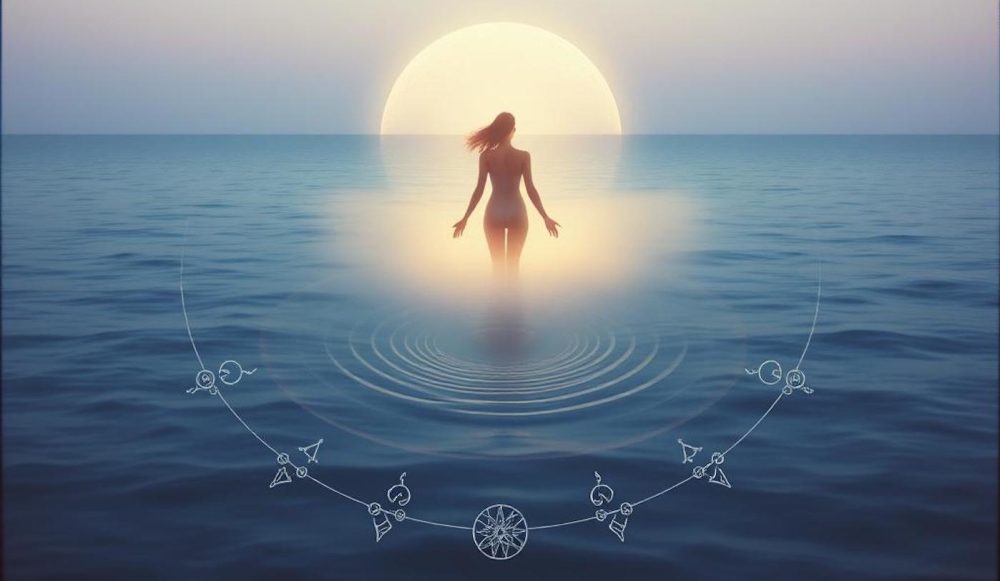

Review / Summary / Overview for 111. Venus and Mars
Overview
Venus and Mars unfolds as a celestial love story between two archetypal forces — the divine feminine and the divine masculine — whose eternal dance mirrors the inner alchemy of the soul. Through Venus, the poem celebrates the sacred feminine as the portal to higher wisdom, emotional intelligence, and spiritual elevation. Through Mars, it acknowledges the disciplined will and active energy that, when tempered by love, can serve higher consciousness rather than egoic ambition. The poem becomes a meditation on the reunion of opposites: love and action, intuition and reason, receptivity and assertion — a cosmic balancing act that mirrors the harmony required within each human being.
Why This Poem Matters
This poem is pivotal because it reintroduces the concept of divine polarity — a union of forces that transcends gender and speaks to the core of universal balance. In a world fragmented by extremes and conflict, Venus and Mars restores faith in complementarity: that true evolution arises not through domination but integration. It invites readers to reconcile their own inner dualities — the softness of Venus and the strength of Mars — to achieve spiritual wholeness. This synthesis is not just personal but planetary, representing the potential for humanity to move beyond chaos into creative unity.
Imagery and Tone with Excerpts
The poem’s imagery is luminous and mythopoetic, blending the language of astrology, mysticism, and inner transformation.
- “Venus! The chaste celestial virgin of divine love; holy portal of connection to the nonphysical” — opens with reverence, setting a sacred tone for Venus as both muse and initiatrix.
- “Unconditional and all-encompassing, she elevates one’s psyche beyond the bounds of materialistic pleasures” — portrays love as liberation from ego and attachment.
- “Liberating the will and the imagination, cut loose by the whetted silver blade of inner truth” — sharp, alchemical language symbolising purification and renewal.
- “Where Venus tempers Mars, leaving all sorrowful memories and scars of yesterday behind” — the central moment of healing and reconciliation, where love disarms aggression.
- “An alchemical articulation of ascent, accessing the sacred soul’s abode beyond the celestial circuits of the mercurial mind” — closes on transcendence, merging intellect with spirit through the union of opposites.
The tone is exalted, devotional, and visionary — suffused with awe and luminous serenity. It speaks not as a human confession but as a celestial transmission, a hymn to equilibrium.
Why It Belongs in the Collection
In the greater constellation of poems, Venus and Mars acts as the spiritual keystone of the collection’s recurring theme — the reunion of polarities. Where previous poems explored imbalance, loss, and awakening, this one offers synthesis: the culmination of spiritual maturity. It represents the inner marriage — coniunctio — where love (Venus) refines will (Mars), allowing higher consciousness to manifest harmoniously in physical form. Placed near the collection’s end, it feels like the integration point after a long pilgrimage of insight and revelation.
Final Thoughts / Conclusion
Venus and Mars concludes with grace, presenting reconciliation as both destiny and discipline. It affirms that the path to enlightenment is not through ascetic denial or unchecked desire, but through the sacred marriage of wisdom and courage, heart and mind. In this cosmic union, the soul transcends fragmentation and enters the rhythm of divine harmony — a love so complete it dissolves duality itself. The poem thus serves as a luminous benediction for the reader’s journey: a reminder that to embody the light of Venus within the will of Mars is to rediscover one’s true purpose as a co-creator in the grand design of Source. ✩
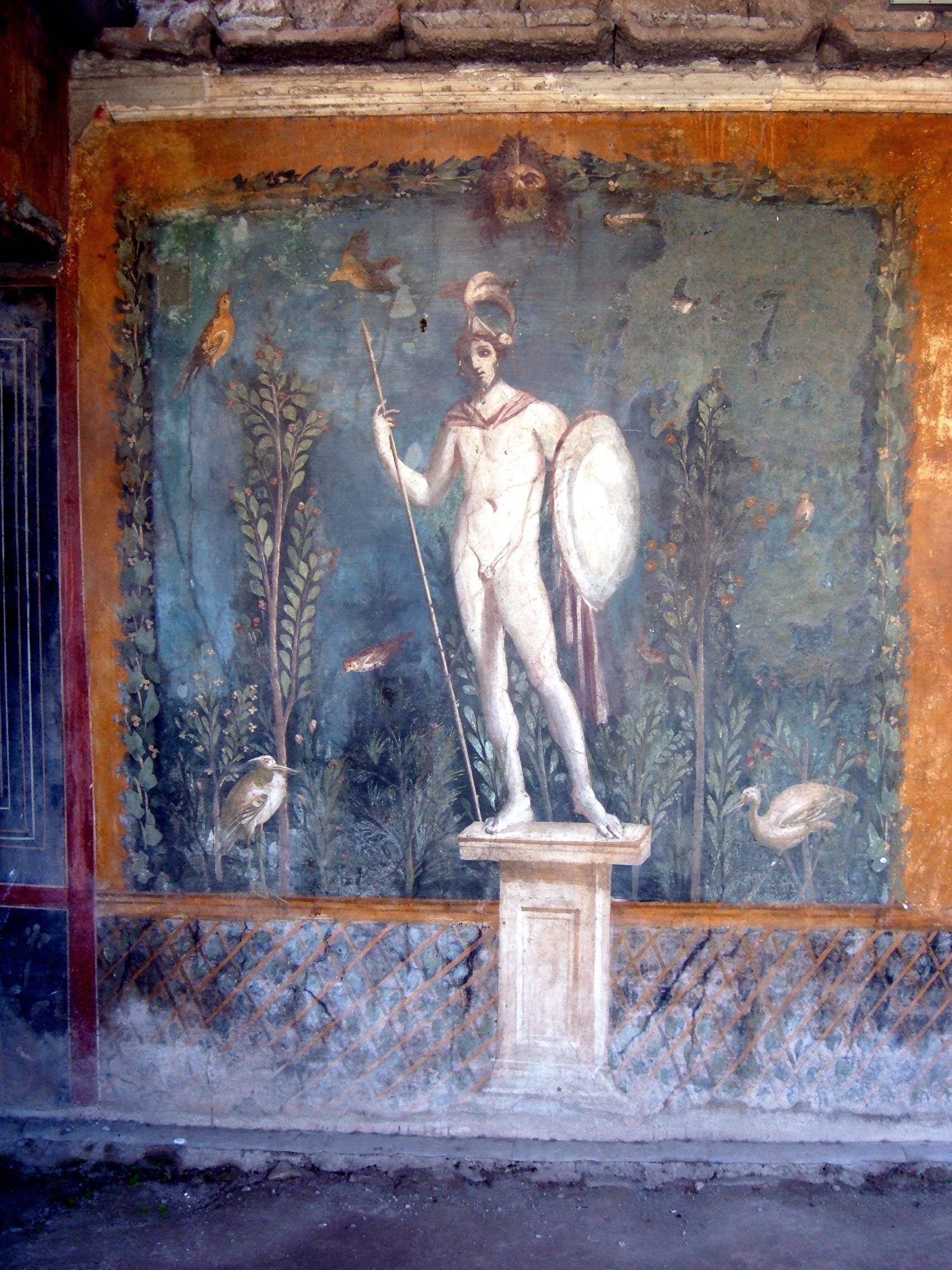


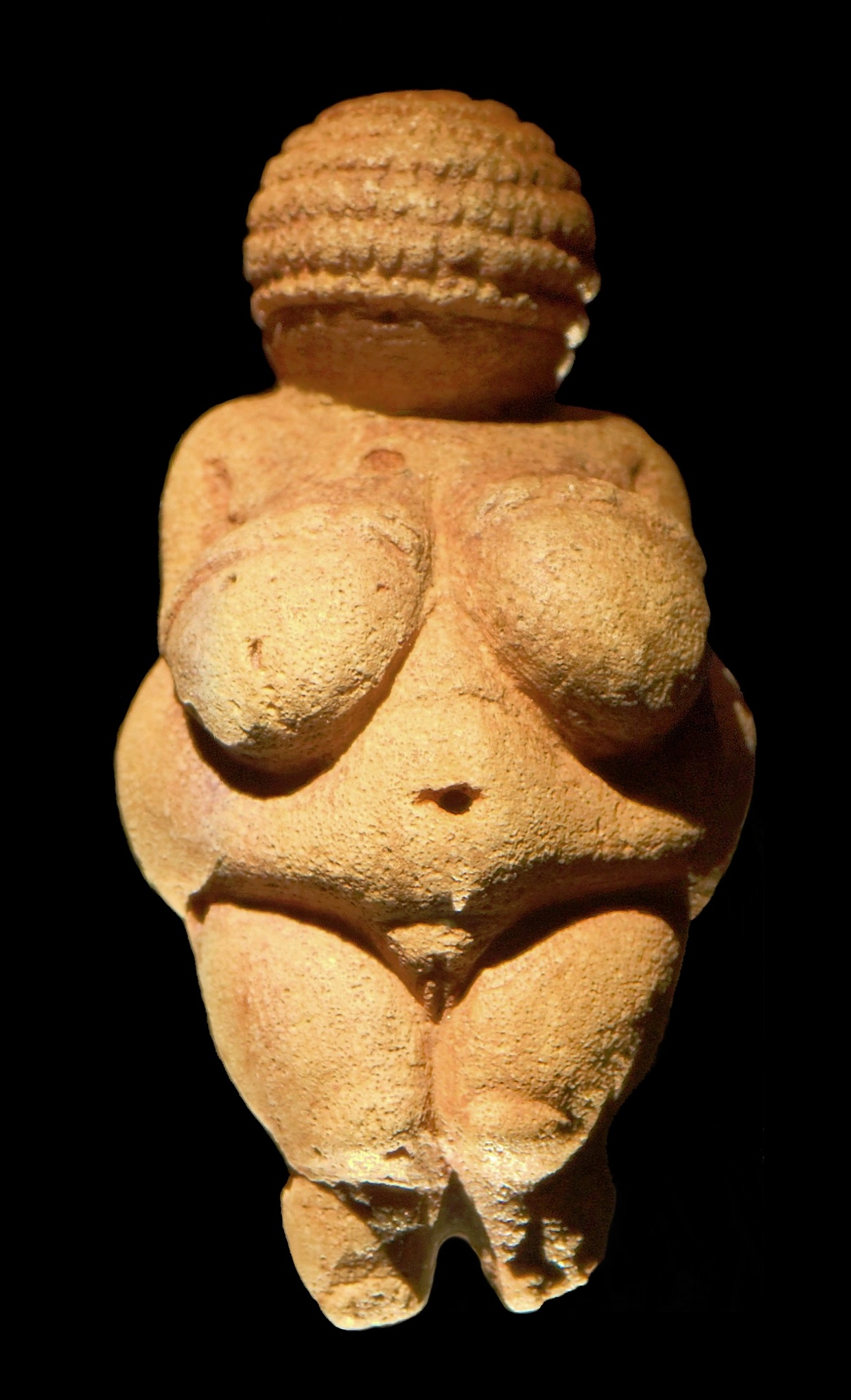
Top:
The Birth of Venus (1486) by Sandro Botticelli (1445-1510)
Above:
1) Nude statue of Ares / Mars with lance and shield from south wall fresco in remains of a house in Pompeii,
2) Venus and Mars (1485) by Sandro-Botticelli,
3) Mars Breastplate, MBA, Lyon, bronze statue from Gaul,
4) Venus of Willendorf (24000-22000 B.C.) Clay figurine.
 iPoem's Blog