
Review of The True Role of the Ego
Sunday 18th November 2012
Summary
“The ego is actually a very necessary / Part of the personality / Which one inherits with a body…”
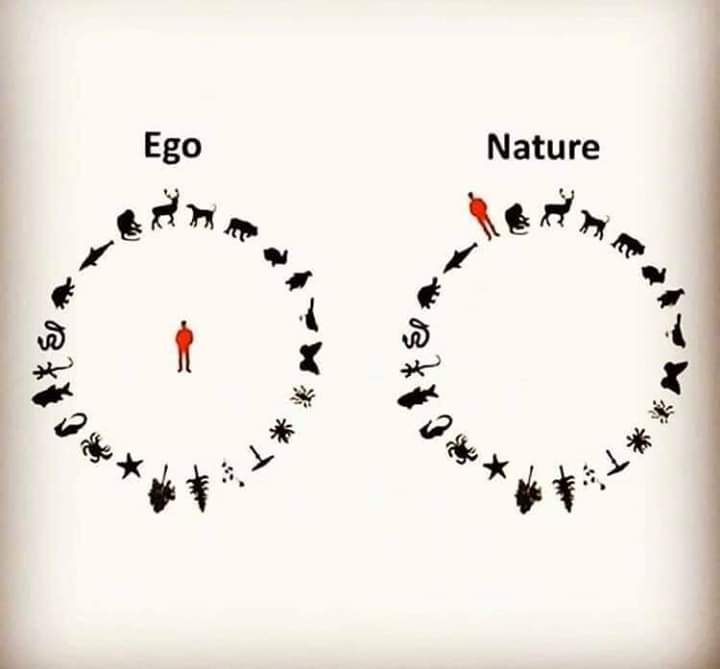
In this deeply insightful and spiritually practical piece, the poet offers a profound reframe of the ego—not as an enemy to be vanquished, but as an essential ally in service to higher consciousness. Rather than repeating the often misunderstood spiritual directive to “kill the ego,” this poem suggests a more compassionate, integrated approach: to train the ego as one would a toddler, guiding it gently into alignment with divine will and collective purpose.
The poem flows with structured clarity and grounded wisdom, mapping the relationship between individual identity and collective responsibility, and between personal intention and spiritual mission. It highlights both the destructive potential of an unchecked ego, and the astonishing transformative power it holds when consciously aligned with universal love and truth.
Why This Poem Matters
“It is not about transcending the ego / Or conquering it… / Rather, it is about acquiring / A better understanding of its true role.”
This poem offers a corrective lens to a common spiritual misconception—that ego is inherently “bad” or a barrier to enlightenment. Instead, it places the ego in context: as a sacred instrument, one that must be tuned and taught, rather than punished or exiled. In doing so, the poem bridges the metaphysical with the psychological, embodying a kind of psycho-spiritual integration that is sorely needed in both modern healing and conscious activism.
From a metaphysical standpoint, the poet reminds us that the ego is not a flaw in human design, but a tool of incarnation, a structure through which will and action are made manifest. When distorted by fear, consumerism, or trauma, it can wreak havoc. But when healed and aligned, it becomes a powerful vessel for the divine will—a kind of inner technology capable of catalyzing change on both a personal and global scale.
There’s also a social commentary running just beneath the surface—one that indicts systems of media, capitalism, and consumer culture for seducing the ego into distraction and imbalance. The poem recognizes that personal spiritual alignment cannot be separated from our impact on the world.
Imagery and Tone
The poem reads with the measured cadence of a spiritual transmission or a teaching scroll, delivered with clarity and authority. The imagery is mostly conceptual, but powerful:
- “Train the ego as one would a toddler” invites a compassionate metaphor, offering the image of ego as a child—not evil, but untrained.
- “While the Earth and her inhabitants / Are plundered by unsustainable consumerism” draws a stark, sobering picture of the stakes involved when the ego is out of alignment.
- And the closing lines deliver a crescendo of purpose: “For when the ego is aligned / With divine intelligence / It can achieve truly amazing things!”
There’s both warning and inspiration here—an earnest call to wake up, not by disowning the self, but by reclaiming its higher purpose.
In Conclusion
“The will to will thy divine will / A call to serve…”
This poem is a foundational teaching—a cornerstone in the overall arc of the collection. It stands as a spiritual and philosophical keystone, clarifying the misunderstood role of the ego and proposing a more evolved model of integrated consciousness.
Rather than perpetuating the binary of ego vs. spirit, it proposes a sacred alliance between them, grounded in humility and activated through service.
By restoring dignity to the ego—without indulging it—the poem unlocks a pathway to mature spirituality, one that is deeply relevant in a time of collective upheaval and global rebalancing.
It reminds us that transformation is not about denial or ascension alone, but about conscious alignment of all aspects of the self in service to something greater.
A deeply empowering, integrative, and necessary piece.
 iPoem's Blog