
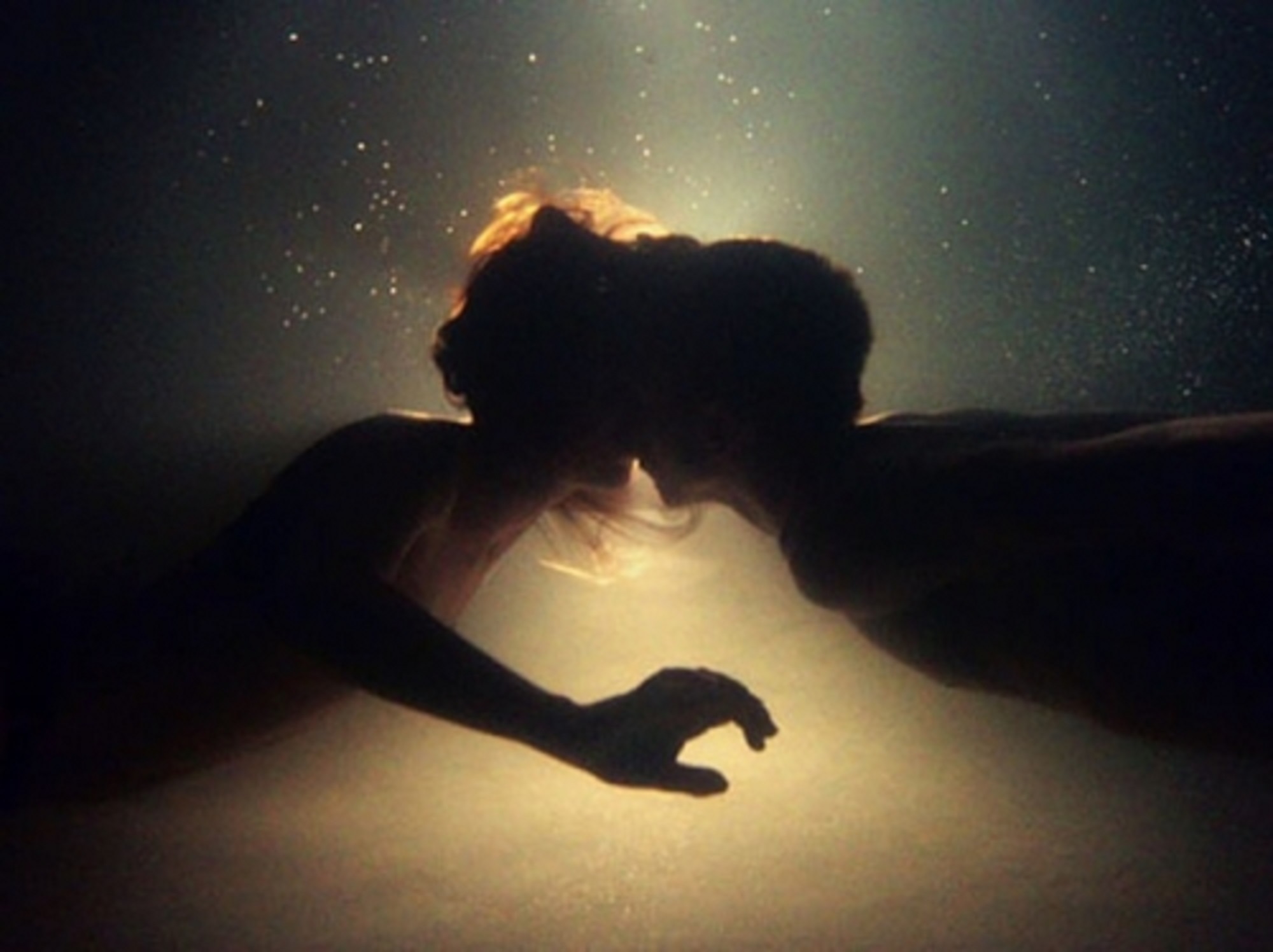
KISS by Ryan McGinley © 2008
83. Dream Kiss
Saturday 16th February 2014
Overview
Dream Kiss is a sensory reverie, delicately capturing that liminal space between dreaming and waking — where desire becomes both ephemeral and palpable. It speaks of a moment so sensually vivid, it transcends fantasy, hinting at something metaphysically intimate: a soul-to-soul encounter, not just physical chemistry.
This poem explores the theme of awakening — not just from sleep, but into awareness of a heightened emotional and erotic connection. The experience is surreal, yet rooted in bodily sensation, which anchors the dream in reality. It touches on themes of risk, emotional vulnerability, and transformation — the shift from friendship to romance, from imagination to action.
Imagery and Tone
The imagery here is tactile, focused, and luminous. Every detail is tuned to physical sensation — “the seal / Between our lips parting”, the “slight tingle / On the outer edge of my upper lip”, and the “highly sensitised / Nerve endings”. These evoke the hyper-awareness of a dream state, in which the body is both asleep and fully alive.
There’s a dreamlike softness to the tone — tender, hushed, vulnerable — yet it builds gradually into something more charged and brave, as the kiss represents a threshold moment: crossing from one dynamic to another, from latent tension into decisive action.
It’s a poem of stillness and potential energy — like the inhale before a pivotal first kiss in waking life. The slow movement of sensation, then the lingering tingle upon waking, creates a beautiful narrative arc without ever leaving the bed.
Why This Poem Matters
Dream Kiss matters because it captures one of the most intimate universal experiences: the feeling of connection so strong that it invades the dream realm. This isn’t just romantic fantasy — it’s about how our subconscious mind processes desire, longing, and the risk of emotional truth.
The poem reminds us that dreams are not escapism — they’re messengers. The kiss represents an inner yearning for emotional honesty, sensual surrender, and the possibility of stepping into a fuller expression of connection — even if doing so means risking everything, including the friendship that came before.
It also subtly explores the beauty of unresolved tension — the delicate chemistry that exists in the not-yet, and the awakening that happens when desire moves from imagination to reality.
This poem serves as a gentle yet powerful reminder of the transformative potential of vulnerability — and that the smallest gestures (like a kiss) can catalyze profound emotional change.
Placement in the Collection
Dream Kiss offers a soft but pivotal change of pace. It contrasts well with more philosophically charged poems like Faith or The True Role of the Ego, by pulling the focus inward — into the world of the senses and the subconscious.
Its intimacy and sensual vulnerability place it nicely alongside pieces like Light My Fire or Jump, but with a much more delicate touch. It would work beautifully as a breather or a moment of reverie between heavier pieces — a palate cleanser, of sorts.
Alternatively, if there’s a section devoted to themes of love, desire, or transformational relationships, this poem could act as the threshold piece — the point at which imagined or suppressed feelings begin to demand real-world acknowledgement.
Final Thoughts
Dream Kiss is seductive without being explicit, gentle without losing intensity. It honours the complexity of desire — especially when mixed with uncertainty, friendship, and emotional risk.
It’s a poem about beginnings. About how moments of dreamlike beauty can become catalysts for real-life decisions. It honours the sacredness of subtlety — how the body remembers, how the soul speaks through symbols, and how awakening often starts with a whisper.
Yes — this one belongs in the collection. It’s not just about the kiss. It’s about the courage to cross that invisible line, and how powerful those moments can be — even if they only last the length of a dream.

The Dream of the Poet / The Kiss of the Muse,
by Paul Cezanne, 1859-60 (oil on canvas)
 iPoem's Blog