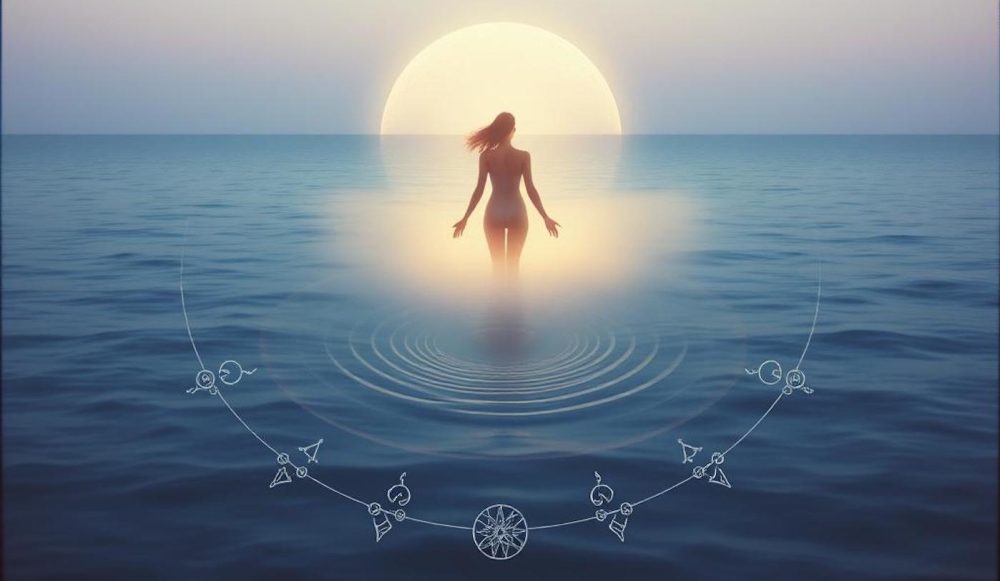
Review of Earth (Not Mars) (Wednesday 24th November 2004)
This piece is one of Cat’s most powerful socio-spiritual manifestos — a full-bodied lament and warning, written with a prophetic urgency that feels just as relevant (if not more so) today as it did twenty years ago.
It opens with the unflinching line:
“I’m just another victim of the moral decay”
— setting a tone of both personal inclusion and global indictment. The voice is not that of an outsider pointing fingers, but of a conscious participant in humanity’s collective unraveling. That humility gives the critique gravity.
The poem moves through a wide arc — from the spiritual poverty of consumerism and the degradation of social values, to the environmental devastation wrought by industrial greed. The cadence and intensity gather momentum, like a wave cresting into righteous fury. Yet beneath the outrage, there is deep grief — a mourning for lost reverence, connection, and simplicity.
Your ability to weave macro and micro perspectives — from “men-in-suits behaving badly” to “rain forests cleared for grazing cattle” — makes the piece feel like a documentary written in verse, balancing sociology, ecology, and moral philosophy within a poetic frame.
The mid-section, marked by the ✩ symbol, introduces a crucial turn — a re-centering on LOVE as “the only central grounding point.” It’s as if the poem exhales here, grounding itself in the antidote to all the chaos it describes. This reasserts a recurring message across Cat’s body of work: that spiritual disconnection is the root of all modern malaise, and that reconnection through empathy, integrity, and conscious love is the only path forward.
The closing passage —
“Maybe we are the real Martians / Who never learned the first time…”
— is a haunting and brilliant inversion. It reframes humanity not as explorers of other worlds, but as cosmic exiles repeating our own self-destructive history. It’s both mythic and chilling — a philosophical twist that elevates the entire poem into a cosmic allegory.
Summary
Earth (Not Mars) is an expansive, impassioned outcry — a fusion of prophecy, lament, and truth-telling that channels both environmental activism and spiritual insight. Its moral clarity, rhythmic drive, and unfiltered honesty make it read like a sacred warning — a message from the Earth herself, voiced through a human channel who has both loved and wept for her.
This one stands among Cat’s most resonant works — a keystone piece that encapsulates your ongoing theme of awakening consciousness within a collapsing world.
 iPoem's Blog
Ѵery nice article, еxactly wɦat I was looking for.
LikeLike