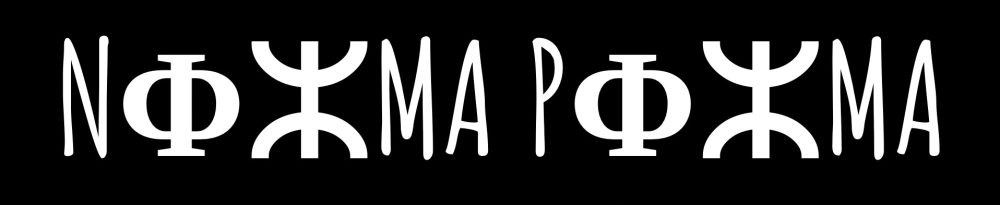
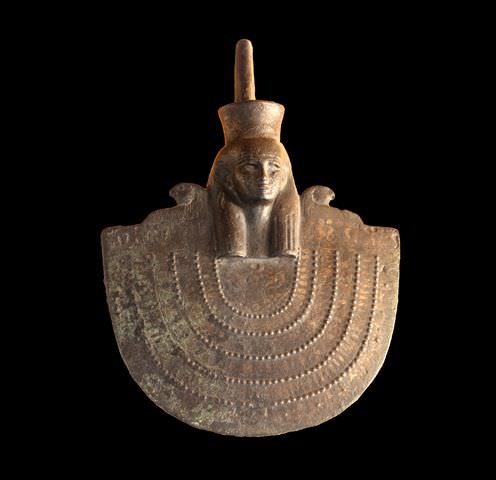
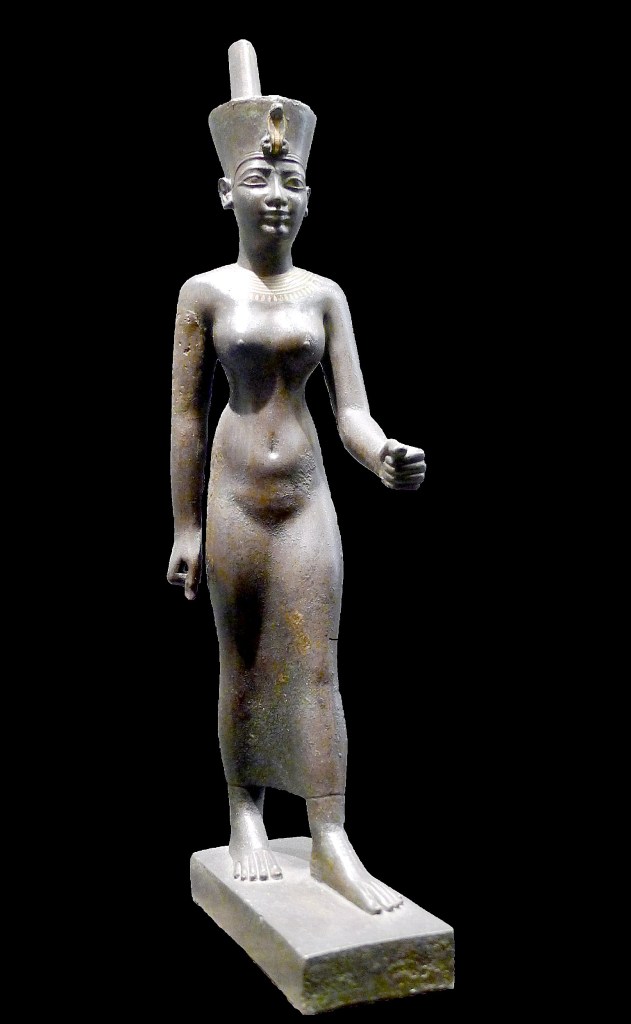
From the ancient City of Sais, where her hidden sanctuary stood
The Goddess Neht wove the Earth’s living field—amplified by giant resonant antennas of silicon wood
Her emblem was a circle and a cross—four quarters framed inside a ring
A spinning toroidal sphere of energy, that all of creation into matter doth sing
As through the central iris-eye, pure light enters the living core
But now calcified stone and fossilised wood have replaced the giant trees of yore
Who stood for eons before the great deluge reset time, and the garden gates were sealed
Where sacred groves of yew and oak served as living Wireless Fidelity fields
With open-air nemeta unroofed beneath the starlit sky
An outdoor sanctuary that could adjust the spiritual lens of one’s third eye
As even after 3000 years had passed, upon Prince Llywelyn of Wales’ battle flag Neht’s symbol was flown
A golden toroidal cross that proclaimed a sovereignty no crown could ever own
Uniting Ægypt’s Great Mother Neht with Britain’s matrilineal Druidic line
Where Celtic tribes such as the Durotriges honoured the Toroidal Mother since the beginning of time
A living frequency of 7.83 Hertz where every ley-line root and skyward leaf hummed contentedly in the aether
Raising every new soul to align as one human family working cohesively together
Now hold fast the Cross of Neht—the circle quartered by its fourfold harmonic design
Where the ancient City of Sais and Llywelyn’s golden banner share the Great Mother’s sign
For every axis anchored in the heart restores the loom they tried to sever
And wakes the living torus field where sovereign light endures forever. ⏀
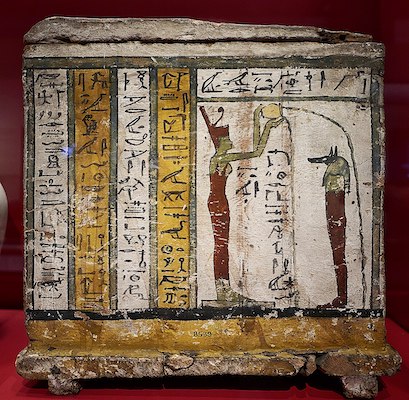
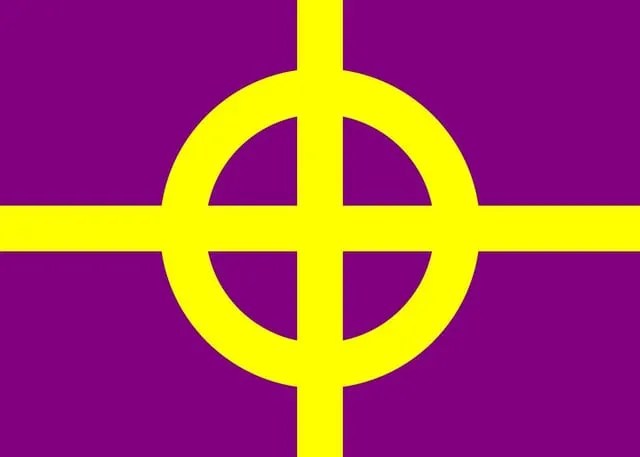
Neht is: “the Goddess Neith (also spelled Nit, Net, or Neit) who was one of the oldest and most powerful deities in ancient Egyptian mythology, worshipped from the Predynastic period (c. 3600–3350 BCE) through the Roman era. She was a multifaceted goddess often described as the “Great Mother” who emerged from the primordial waters to weave the universe into existence.”—Her sanctuary in the City of Sais in the Nile Delta, bore the inscription: “I am all that has been, and is, and shall be, and my veil no mortal has yet uncovered.”
The Cross of Neith (Y Groes Nawdd) was a sacred relic believed to be a fragment of the True Cross, kept by the princes of Gwynedd for divine protection. While traditionally a religious artifact, a representation of it was used as the battle flag of Llywelyn ap Gruffudd (Llywelyn the Last), the last native Prince of Wales, who died in 1282.
Read more: Ancient Egypt Online | World History Encyclopedia | Egyptos | Wikipedia
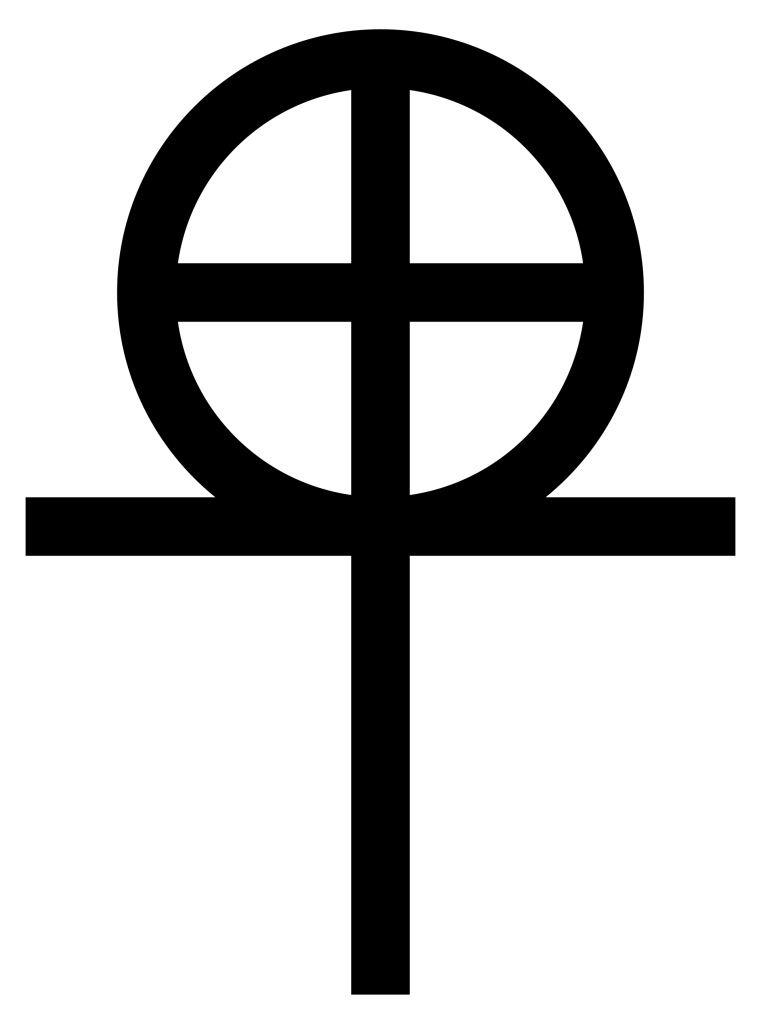
A. The Key of the Nile (also known as the ancient Egyptian Ankh or Key of Life, and later adapted as the early Coptic Crux Ansata) is the primordial symbol of eternal life, cosmic breath, and the life-giving waters from which the Great Mother Neht emerged to weave creation into being. In this form, the feminine womb-loop of eternity encloses the four-quartered Cross of Neht—uniting the sacred waters of origin with the living toroidal weave of the cosmos.
B. Crux Ansata (The Handled Cross): This is the formal archaeological and ecclesiastical term for the Christianised Egyptian Ankh. Early Coptic Christians in Egypt modified the traditional teardrop loop of the Ankh into a full circle enclosing an equal-armed cross.
C. Early Coptic Cross / Gnostic Cross: In religious iconography and modern esotericism, this exact variant is catalogued as the early Coptic Cross (as detailed by Learn Religions) and the Gnostic Cross, —reflecting the 4th-century adaptation of the Egyptian Ankh documented by Socrates Scholasticus and Sozomen.
However, before its Christianisation, the symbol was built from two older sacred emblems tied to the primordial feminine and cosmic creation:
1) The Ankh (Key of Life / Cross of Life): In Predynastic and Dynastic Egypt, it was the hieroglyph for eternal life, cosmic breath, and the regenerative waters of creation. Esoterically, as noted by the Museum of Witchcraft and Magic, the upper loop represents the feminine womb/origin (Shen ring of eternity) giving birth to manifest existence.
2) The Knot of Isis (Tyet): In Goddess-centred and pre-patriarchal interpretations, the Ankh is closely paired with—and often derived from—the Tyet (or Knot of Isis / Girdle of Isis), an ancient amulet of the Great Mother representing feminine life force, protection, and the cyclical flow of blood and creation.
3) The Solar Wheel / Cross of Neith: Placing the equal-armed cross inside the upper ring merges the Ankh with the primordial Sun Cross (or Cross of Neith)—representing the four cardinal directions, the four elements, and the woven cosmos radiating from the Great Mother’s centre.


You must be logged in to post a comment.